Click here to sign up for our free daily newsletter

Women play active role in protecting wetlands in Northern Sask.

Sep 16, 2025 | 9:59 AM

Peatlands, also commonly known as muskegs, are an important part of the eco-system in Northern Saskatchewan and many other parts of the world. They not only provide a crucial role in maintaining the carbon capture cycle where they exist, but they are also essential to the plants and animals native to these regions, as well as the people who rely on them to continue their traditional way of life.

The following is part of a four-part series of articles that focus on peatland and the impact they have on us all.

“We have to protect it. That’s one of our roles as being females is to help protect Mother Nature.”

Those are the words of Lac La Ronge Indian Band member Diana Ulriksen when asked about why raising awareness of muskegs was so important to her and her group of like-minded women. Every year since 2023, she’s been part of the Women Protecting the Land camp held in Northern Saskatchewan.

The first two camps, which were held in June 2023 and August 2024, occurred at Youth Haven on the shores of Bigstone Lake, while the upcoming camp is scheduled for Sept. 19 to 21 in Missinipe. Missinipe is located near the Churchill River about 80 kilometers from La Ronge.

“We’re trying to help bring awareness to the importance of the muskegs and the clean water,” Ulriksen said.

“There’s so much deforestation around our area now too. It just looks sad when you drive between Prince Albert and La Ronge. We’re losing so much forest. It’s just to bring awareness and educate other ladies from our area and the province.”

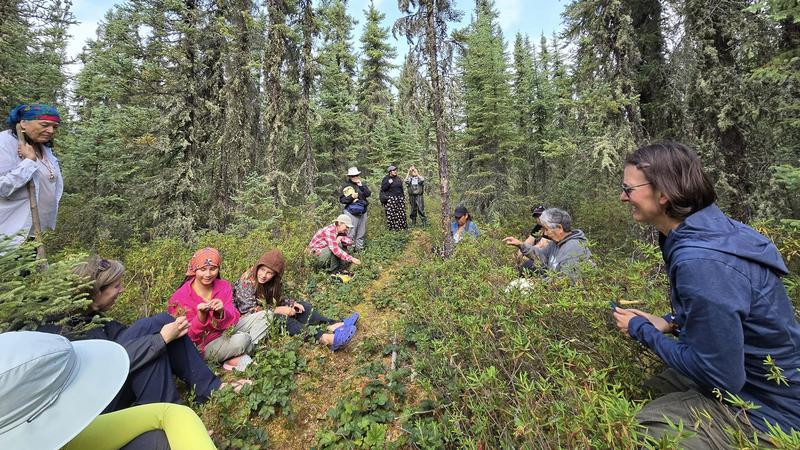
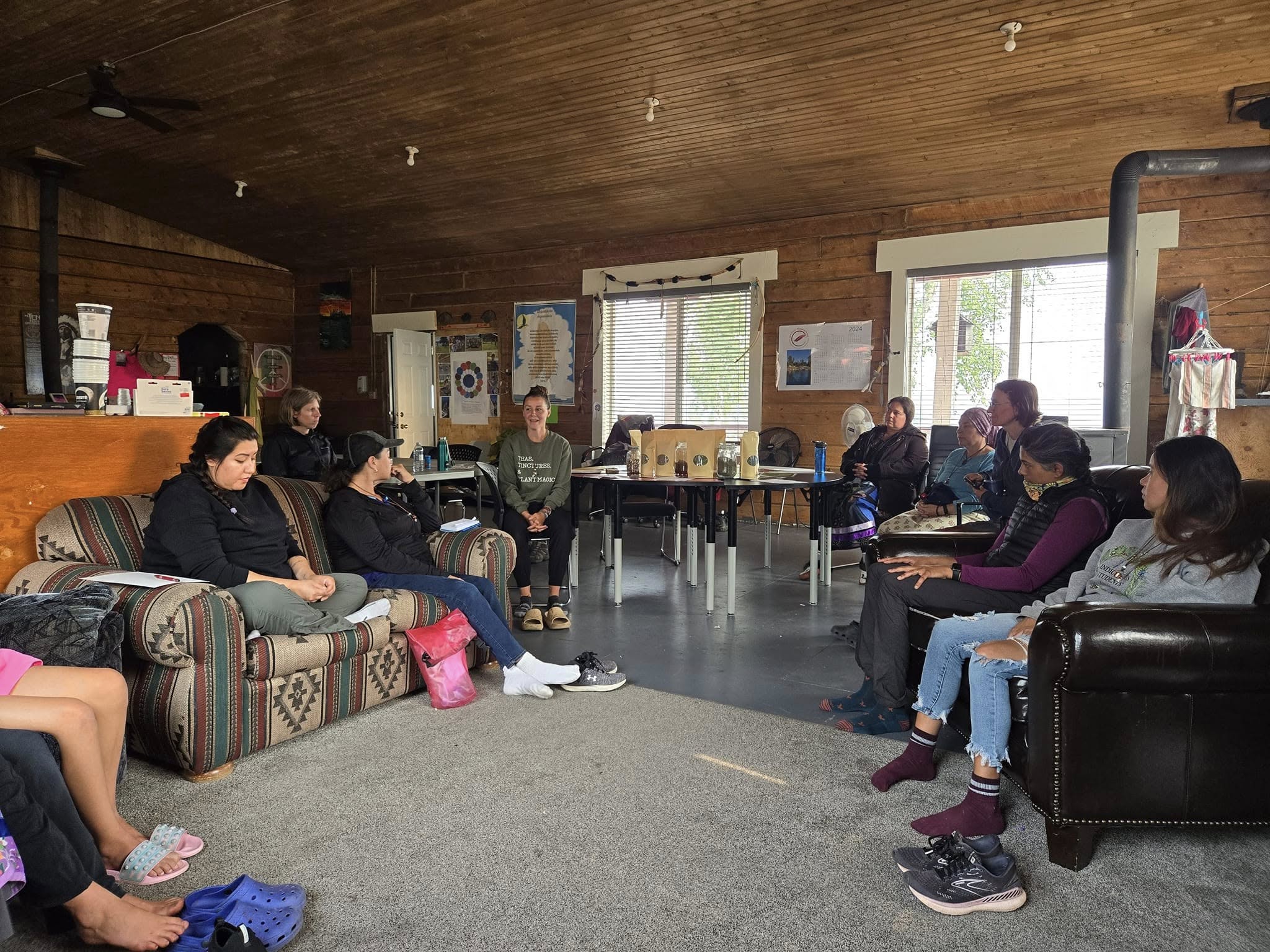
The camps attract about two dozen ladies from Indigenous and non-Indigenous backgrounds over three days. They include activities, presentations, speakers, along with medicine walks guided by Elders. The ladies will harvest plant species that are prime for harvest such as mint, rat root, rosehips and Labrador tea.

An Elder will also perform opening and closing prayers, and the women participate in a sharing circle each evening to discuss what happened during the day, was it what they expected, what they learned, and if there was anything more that they wanted to learn.

The camps include activities, presentations, speakers, along with medicine walks guided by Elders, and more. (Vanessa Faith/Facebook)

Ulriksen noted the reason why the group believes muskegs need to be protected is because they play an important role in the ecosystem.

“They help absorb runoff, they filter water, they provide people and animals with food and medicines, and they act as natural firebreaks,” she added.

“They store large amounts of carbon, and they provide calving grounds for the endangered woodland caribou.”

Ulriksen was raised in the vicinity of Reindeer Lake, one of the province’s largest lakes located in north-eastern Saskatchewan. She’s always lived near water and trees and that degree of closeness led her to take them for granted in her younger years, but as she became older, she realized it’s her responsibility to help protect the northern landscape.

Ulriksen believes she is fulfilling part of that responsibility by taking part in the Women Protecting the Land camps.

“You think ‘are we making a difference? Is this, going through all of the work to put on these gatherings and camps and stuff, are we really serving a purpose?’ At the end of the camp and when we hear the feedback and stuff, it’s like ‘yes, it is so worth it,’” she said.

“To have people from the city, from the south, come and learn about lush nature, they really enjoy it. It’s very empowering and it’s like ‘yes, we are on the right path and yes, we will continue with this cause.’ It’s very motivating.”

derek.cornet@pattisonmedia.com