Click here to sign up for our free daily newsletter
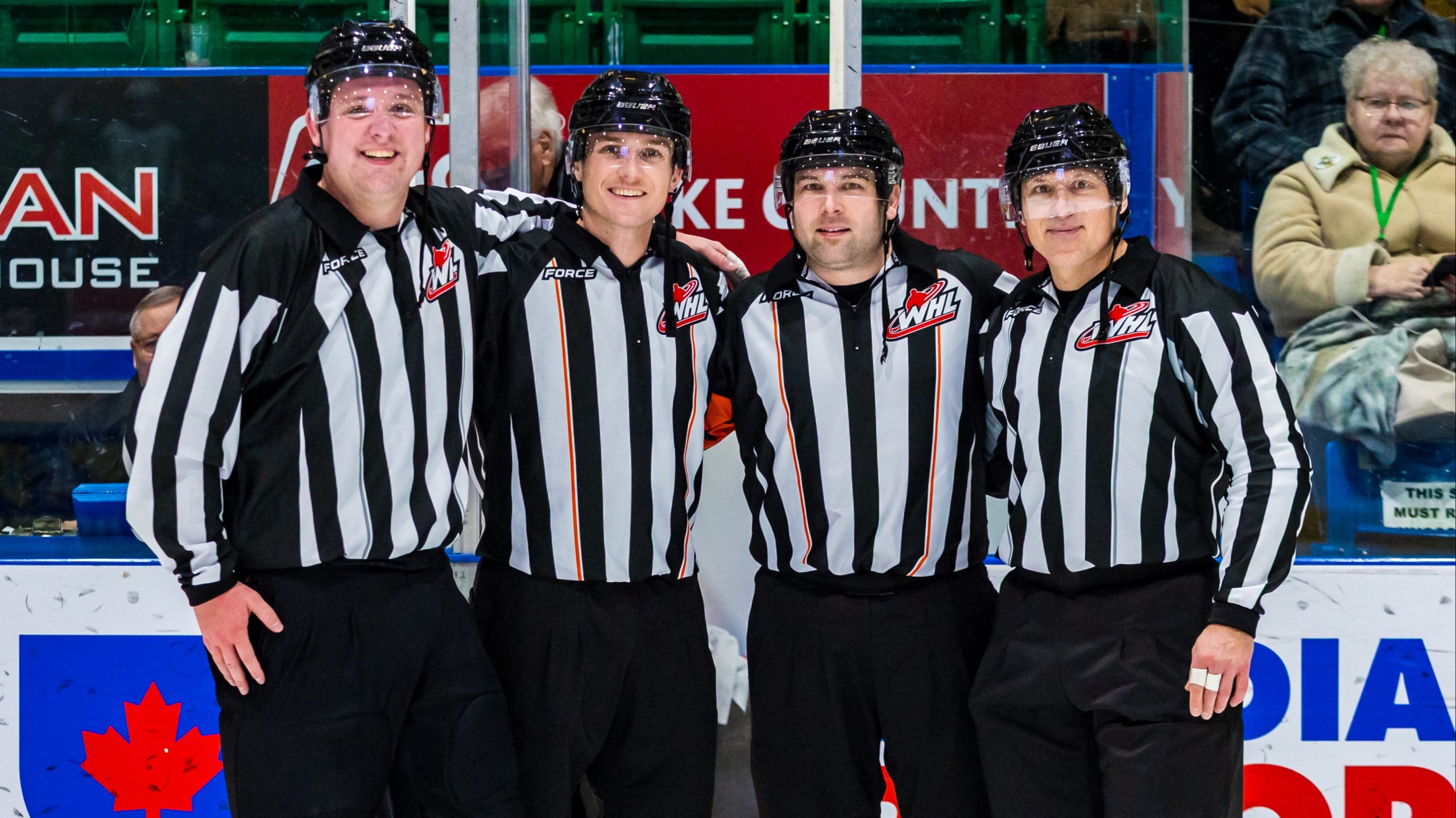
Referees and linespersons in the WHL will have a few new rules to keep track of for the 2026-27 season. (Image Credit: Mark Peterson/Prince Albert Raiders)
overtime rules and coach's challenges

WHL announces rule changes ahead of Friday season opener

Sep 16, 2026 | 4:27 PM

Ahead of the season opening on Friday, the WHL announced on Wednesday that the league has made some changes to the rule book for the upcoming season.  

There are three major changes to the rules:

  • Coaches can now challenge for possible offside goals 
  • Referees can review Major and Match penalty calls to confirm, reduce, or rescind penalties entirely 
  • No return three-on-three overtime 

With the overtime rules, the WHL tested them out during the pre-season in an effort to stop teams from stalling with the puck in overtime, and instead urge them to attack. 

What stays the same are the basics of overtime: if the game’s tied after three periods, the two teams will play five minutes of overtime with three players and a goaltender on the ice for either team. If the game is still tied after overtime, then a winner will be decided via shootout.

What changes, for fans who have not watched the pre-season, once a team has entered their opponent’s end of the ice with the puck, the attacking team cannot play the puck back over the blueline towards centre ice under most circumstances.  

If the attacking team does play the puck over the blueline towards centre ice, then the whistle will be blown, play will stop, and a faceoff will take place back in the attacking team’s defensive zone. The attacking team cannot change their lines, and the other team will get to choose which side of the ice the faceoff happens just like if it were an ‘icing’ call. 

There are three exceptions to the ‘no-return’ rule: 

  • if a team wins an offensive zone faceoff cleanly and the puck comes out to centre before a player can retrieve it, play will continue instead of being blown down 
  • if a player in the offensive zone is checked near the blueline resulting in losing possession of the puck out to centre ice, then play will continue instead of being blown down 
  • if a player takes a shot that misses the net will not result in a stoppage of play, unless a referee or linesperson determines the shot attempt was deliberately intended to exit the offensive zone 

Also of note: the ‘no-return’ rule will not be in affect during any 4-on-4 or 5-on-5 play, but will be back in affect once a team is back on the powerplay or play returns to 3-on-3. 

The ‘no-return’ rule is also non-reviewable. 

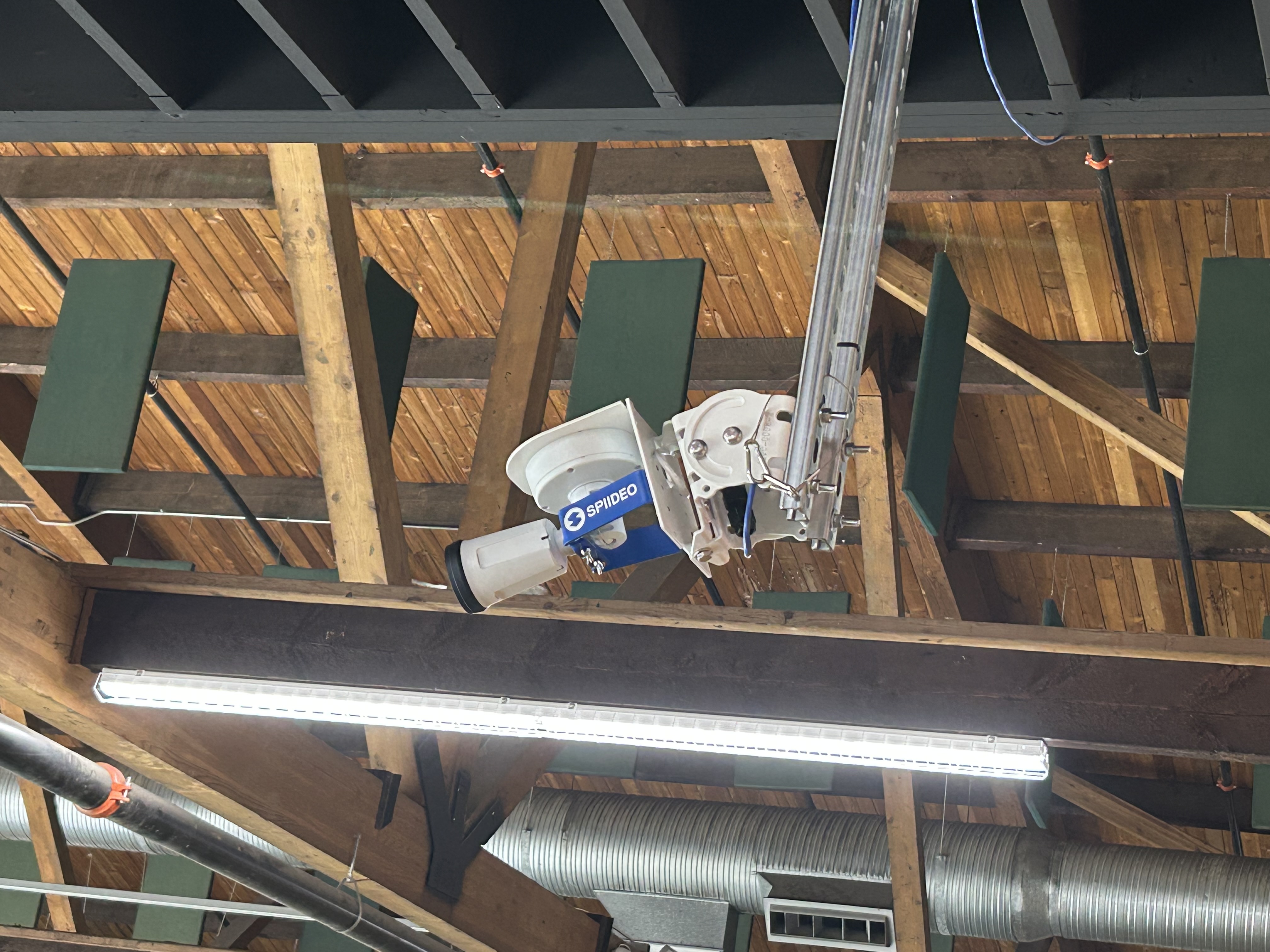
As for the other two rule changes, if you have been around any of the WHL rinks during the preseason, you may have noticed seven of these new cameras around. 

One of the new replay cameras installed in the Art Hauser Centre behind one of the nets.
One of the new replay cameras installed in the Art Hauser Centre behind one of the nets. (Image Credit: Nick Nielsen/paNOW)

Each rink has set up seven new cameras using the Spiideo system, the same replay system used by the AHL, OHL, and various other sports leagues around the world, according to their website

Coaches on the bench and referees in the penalty boxes will now be able to review different plays throughout a game on video tablets on the bench and in the penalty box. There are cameras set up above each goaltender’s crease, directly behind the goaltender at either end, one camera staring down either blueline, and a seventh camera with a wide shot that shows a view of the entire rink at once. 

For coaches, that means they will be able to challenge for offside reviews on scoring plays. Teams must make their challenge before the faceoff at centre ice following a goal, and teams are allowed to use their timeout should they need more time to review for a potential challenge. 

If a Coach Challenge is unsuccessful on their first challenge attempt, the offending team will be issued a delay of game penalty. Teams are allowed a second or even third and fourth challenge, but the second unsuccessful challenge and any following unsuccessful challenges will result in a double minor penalty. 

Finally for the review of Major and Match penalties, referees will review all penalties of that nature to confirm their call, reduce Major or Match penalties to either a double minor or minor penalty, or rescind the Major or Match penalty altogether. 

nick.nielsen@pattisonmedia.com