Click here to sign up for our free daily newsletter
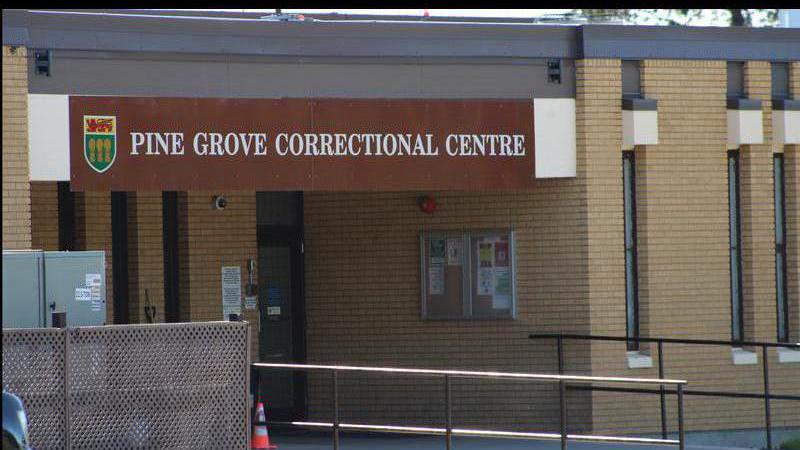
(File photo/ paNOW Staff)
corrections adjustments

Improved addictions treatment and training needed at Pine Grove: Inquest’s findings

Jan 21, 2026 | 6:00 AM

After two days of testimony, and almost four hours after receiving their final instructions, the jury assigned to a coroner’s inquest in Prince Albert made eight recommendations they believe will improve inmate safety at Pine Grove Correctional Centre and prevent future deaths from occurring..

All but one are directed to the correctional institution and place a huge emphasis on the need for better training and procedures with respect to caring for inmates going through withdrawals.

On the morning of June 24, 2022, 33-year-old Lynette Kakakaway was found unresponsive in her cell. Staff performed life saving efforts and called EMS, but they were not successful and just under hour later at 8:50 a.m., Kakakaway who has connections to Keeseekoose First Nation was pronounced deceased.

The exact cause of death was undetermined but a forensic pathologist concluded Kakakaway’s death was likely the result of a combination of factors: a rupture in her esophagus from repeated vomiting, opioid withdrawal and the drugs that were in her system.
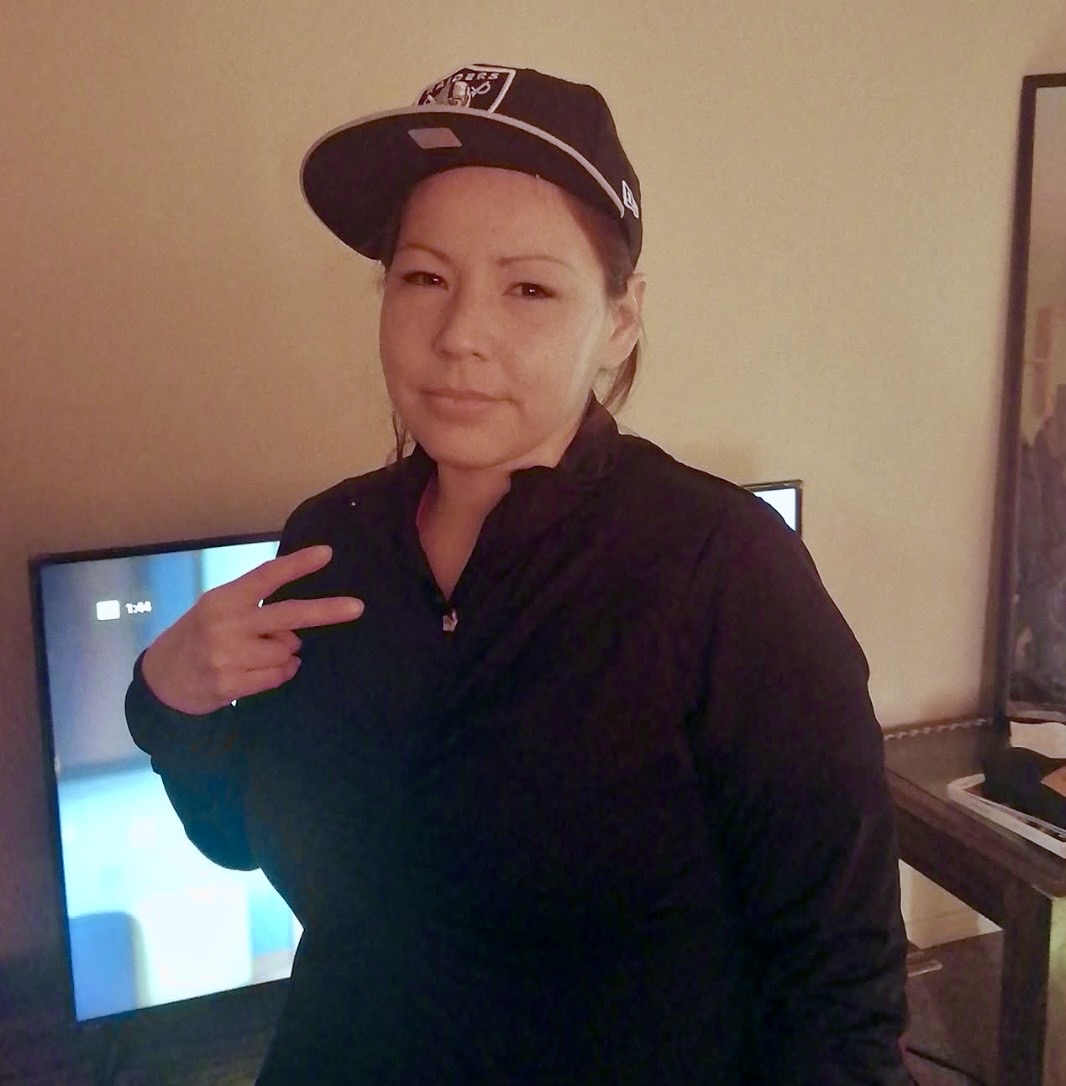
Lynette Kakakaway had two children. (Facebook/ Lynette Kakakaway)

One of the key issues that came up during the inquest was the fact correctional officers do not receive any training for identifying or dealing with opioid withdrawal, and rely on nursing staff.

And so it was no surprise that one of the jury’s recommendations had to do with improved addictions treatment training for staff such as knowing the opioid severity scale. Another recommendation suggested the creation of a specific unit for inmates going through opioid withdrawals. .

A number of witnesses also mentioned the fact there is currently no nurses on duty 24/7 and that the institution has in the past dealt with short staffing.

The jury recommended increasing nursing staff and the medical units.

Upon Kakakaway’s initial arrival at the jail, her opioid withdrawal severity level was assessed as a 9 out of 10 and then over the course of the following hours, decreased to a four. When she spoke with a correctional officer, Kakakaway was pale and complained she was having a stroke. Her cellmate provided a statement describing Kakakaway as very sick throughout the night and calling out for help.

Another recommendation going forward is for full medical exams to occur upon arrival and for the jail staff to place a greater emphasis on addictions treatment.

Kakakaway’s inital inquest was scheduled for last September, but was ultimately cancelled after the first day at the request of the family who wanted to have their own lawyer present and proper emotional supports.

This week’s inquest still occurred almost three and a half years after the death. The jury recommended no inquest occur longer than one year later the incident.

Other recommendations included: a minimum of one code blue bag per building; and a policy review on an annual basis with a mental health follow up for staff who may have endured critical incidents.

At the request of the family’s lawyer, the inquest was formally concluded with a prayer by an Elder.

While family members declined comment, their lawyer said they were happy with the recommendations and want them all implemented.

The following statement was received by the Ministry of Justice.

  • At a coroner’s inquest the jury may make recommendations that are provided to appropriate agencies to prevent similar deaths in the future.
  • All inquest recommendations are shared with the agencies they are directed to for a response.
  • Once received, responses to inquest recommendations are posted on Publications Saskatchewan at this URL: https://publications.saskatchewan.ca/#/categories/2191
  • Additionally, all jury findings and inquest recommendations from coroners inquests can be found here: https://publications.saskatchewan.ca/#/categories/2190

nigel.maxwell@pattisonmedia.com

On X: @nigelmaxwell