Click here to sign up for our free daily newsletter
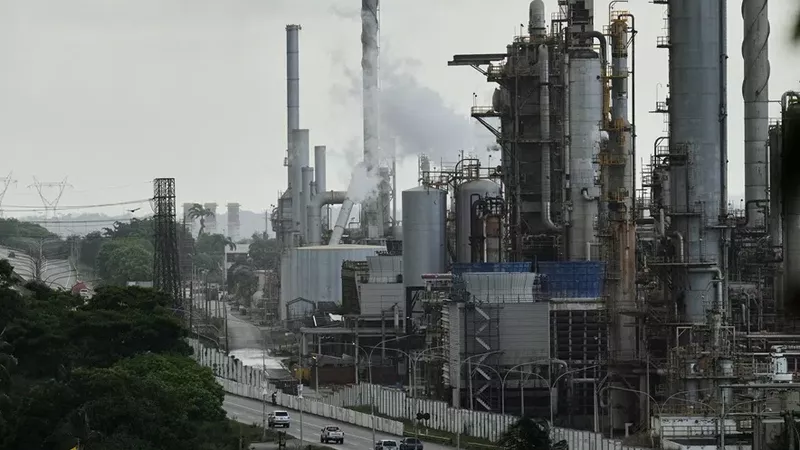
Vehicles drive past the El Palito refinery in Puerto Cabello, Venezuela, Sunday, Dec. 21, 2025. (AP Photo/Matias Delacroix)
Provincial impacts

Saskatchewan to push for pipelines amid fears Venezuelan oil could affect prices

Jan 6, 2026 | 9:57 AM

Concerns are being raised about the possible impact on Saskatchewan’s oil sector if U.S. President Donald Trump is able to ramp up oil production in Venezuela.

The U.S. conducted a strike in Venezuela early on Saturday, arresting President Nicolás Maduro and his wife. Maduro is currently jailed in New York, where he pleaded not guilty to federal drug trafficking charges on Monday, leaving the future of the South American nation uncertain.

Saskatchewan Trade and Export Minister Warren Kaeding said his main concern is the price of oil that Saskatchewan ships into the U.S. in the future. However, he said concerns can also spark change.

“The oil and gas sector is very important to us. It’s one of our key sectors, and will be well into the future,” Kaeding said.
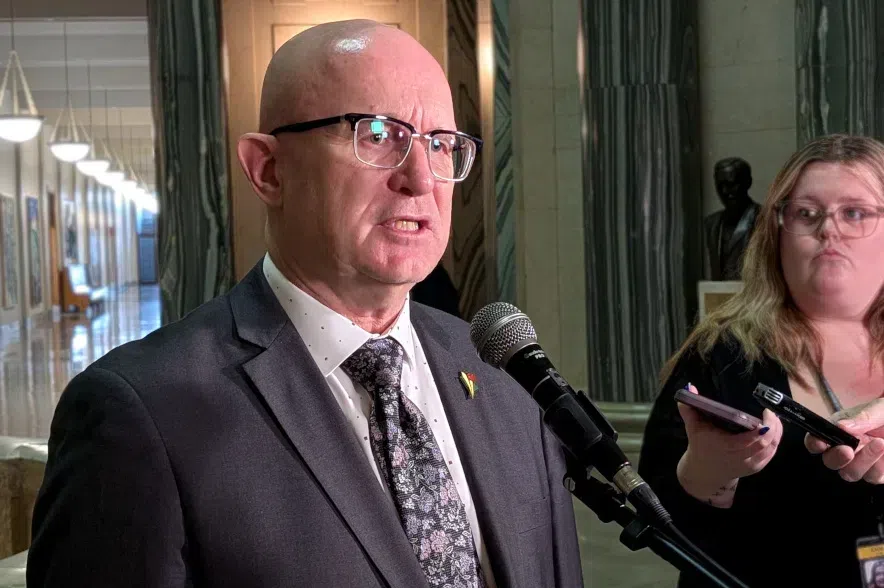
Warren Kaeding, Saskatchewan’s trade and export development minister, says he’ll continue to lobby Ottawa for more pipeline construction. (Lisa Schick/980 CJME)

He said Saskatchewan is focused on expanding its markets and providing better opportunities to the energy sector, as well as cost-effective ways to get oil to market.

Kaeding said Saskatchewan shipped around $12.5 billion worth of crude oil into the U.S. in 2024.

“We do have a good processing industry that’s already well established in the province,” he said. “We do have lots of incentives to bring more oil out of the ground, and that’s definitely something we’re going to continue to work on as a province.”

Venezuela has the richest oil reserves in the world, and while Kaeding said the majority of Canadian heavy crude goes into the American Midwest, he is not too worried about Venezuelan oil displacing Saskatchewan oil in the U.S. market, due to the infrastructure already in place.

“The refiners there have their facilities set up to deal with Canadian heavy crude,” he explained.

“We’ve got pipelines that go almost directly into those refineries. In order for that to be replaced, it’s going to have a different movement up the Gulf of Mexico, and how it’s going to get moved into that area is an unknown right now versus what they’ve got with us is truly a known factor.”

Kaeding said the situation could create more movement on pipelines in Canada.

“It will certainly motivate us to continue to put more pressure on our federal government to ensure that we’ve got pipelines going wherever we need them to diversify the oil sector here,” the trade minister said.

Kaeding pointed to the expansion of the Trans Mountain Pipeline, which could create opportunities to increase exports of crude oil into Asia.

“That is certainly starting to pay dividends,” he said. “We’re excited about what the potential looks like for us, but very nervous about where this is going to position crude oil values long term.”

Premier Scott Moe agreed, stressing the importance of pipelines to get oil to market in a post on social media on Tuesday.

“Export capacity is not a nice to have, it’s a need to have,” Moe wrote. “Saskatchewan knows that securing our economic future means securing access to the world for our resources.”

The positive for Saskatchewan, according to Kaeding, is time. He said if the industry is interested in going into Venezuela to produce oil, companies will want a stable political environment.

“There are a lot of decisions that these companies have to make to even determine if they want to be in that space,” Kaeding noted.

“So time gives us the opportunity to do a few things here, and that’s, again, to work with our federal government to make sure that pipelines going east, west, north, south are a priority (and) working on diversifying our export markets.”

Despite the uncertainties, Kaeding said it’s very early in the equation to start making a plan to mitigate some of the concerns around Venezuelan oil in the future.

“First of all, we have to see if it’s actually going to materialize, and then that gives us some time, I guess, to put some ideas together,” he said.

–with files from 980 CJME’s Lisa Schick and The Canadian Press