Click here to sign up for our free daily newsletter

Hoekstra downplays fears of Trump administration meddling in Canada’s politics

Dec 10, 2025 | 3:00 AM

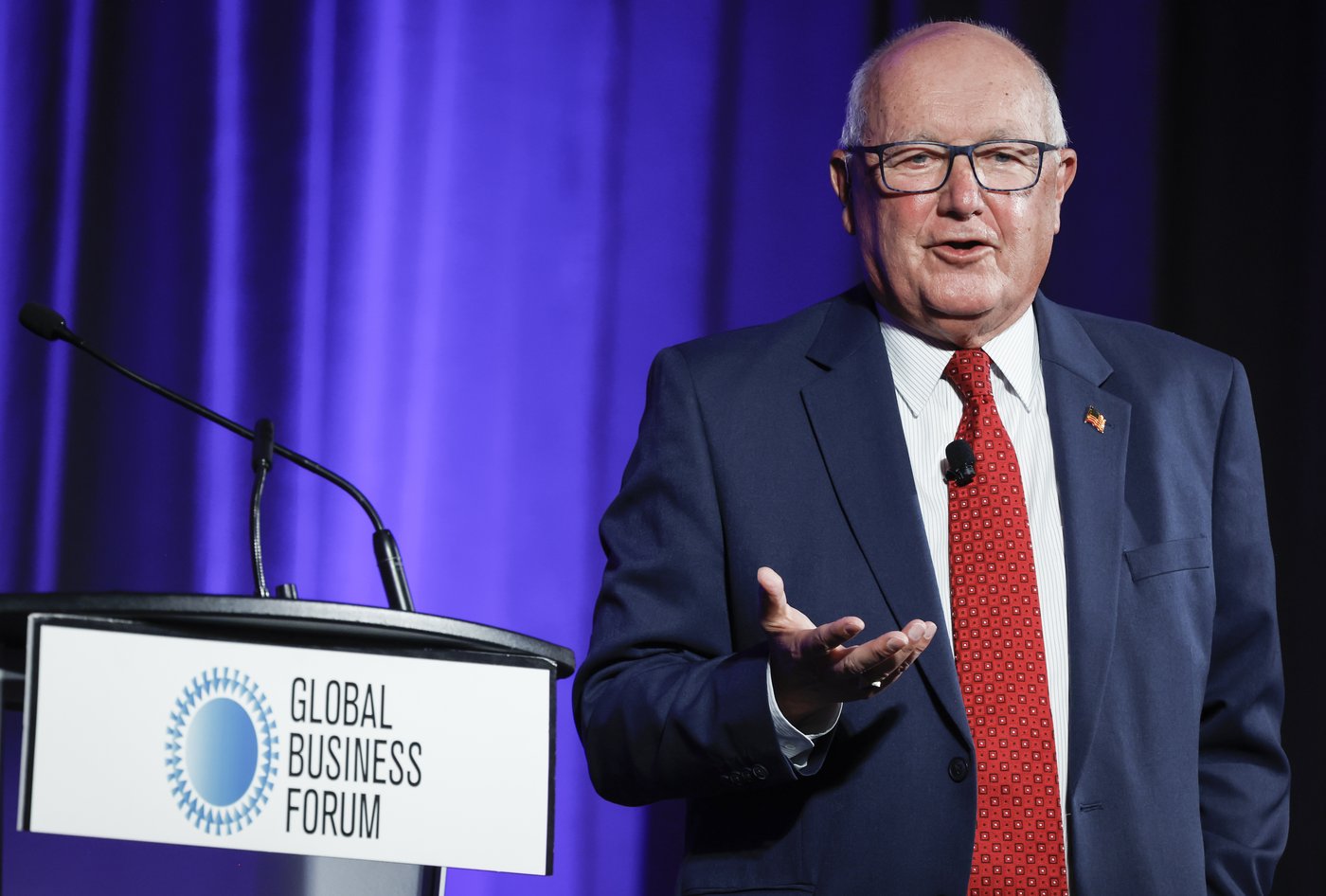
OTTAWA — U.S. Ambassador to Canada Pete Hoekstra is downplaying concerns America’s new national security strategy could lead to his government supporting political movements in Canada.

The national security strategy states the U.S. government will “reward and encourage” governments, political parties and movements “broadly aligned” with its principles and strategy.

In a wide-ranging year-end interview with The Canadian Press, Trump’s representative in Canada said the language in the national security document could be interpreted “broadly.”

“Let’s just kind of see how this plays out, OK,” Hoekstra said. “It can be interpreted in a bunch of different ways.”

But while Hoekstra said he doesn’t see the U.S. getting involved in domestic politics, he accuses Ontario of doing just that by running an ad on American TV networks quoting the late Ronald Reagan attacking tariffs.

“I don’t remember many Canadians expressing much concern about the political engagement of a Canadian government into U.S. politics,” he said, after describing Ontario’s fall ad campaign as a “specifically targeted political intervention against the president.”

But former diplomats and critics warn the new strategy could be a blueprint for American interference in Canada’s domestic affairs.

Bob Rae, Canada’s former Ambassador to the United Nations, wrote in Policy Magazine that Canada has been “put on notice that the current United States government will be actively supporting political parties and movements in our country that align themselves with Trumpian policies.”

Former Canadian diplomat Artur Wilczynski called the document “deeply problematic” and said it may signal U.S. support for actors aligned with Trump’s MAGA movement or “overtly hostile to Canada” — and noted the ambassador didn’t clearly state the U.S. would never meddle.

He said the wording in the national security document suggests the U.S. would consider “using various instruments of trade craft of their broader national security apparatus to achieve their objectives in the hemisphere.”

“It can manifest in lots of ways,” Wilczynski said, adding it could spell anything from undermining Canada’s immigration and refugee system to aiding separatists and groups that support Trump’s goal of having Canada become the 51st state.

“They will take advantage of whatever tools they have, whether it’s funding, whether it’s overt or covert. They’re basically hinting that they’ll do it,” Wilczynski said.

Hoekstra insists the Canada-U.S. relationship had turned the page on the notion of Trump making Canada the 51st state and that the two nations’ leaders have “moved beyond it.”

“The president and the prime minister seem to have gone well beyond it,” Hoekstra said. “They’re now joking about it.”

The ambassador pointed to an October meeting in Egypt where Trump accidentally called Carney president, Carney said “I’m glad you upgraded me to president,” and Trump said, “at least I didn’t say governor.”

Stephanie Carvin, an associate professor of international relations at Carleton University, said just because the Trump administration has produced a national strategy doesn’t mean it will “survive contact with reality.” But it makes for a “disturbing read for America’s allies, including Canada.”

“What is concerning to me is that there’s a number of other ways to achieve these objectives that may not even use the instruments of state,” she said.

Carvin said the administration could leverage parts of the Trump political coalition, such as Big Tech or the religious right, in an influence campaign “not necessarily targeting political parties but potentially targeting political movements in Canada.”

She pointed to the significant chunk of the donations to Freedom Convoy originating from south of the border, and that Donald Trump Jr. endorsed the movement that disrupted life in the nation’s capital for weeks.

This report by The Canadian Press was first published Dec. 10, 2025.

Kyle Duggan, The Canadian Press