Click here to sign up for our free daily newsletter

Declawing sometimes necessary to avoid euthanization

Apr 30, 2017 | 8:02 AM

A group of veterinarians in Ontario are trying to outlaw the declawing of cats but one local veterinarian doesn’t believe they are seeing the big picture when it comes to the claw controversy.

The Toronto Star released an article on March 30 where they interviewed veterinarians behind the movement to make declawing illegal across Canada. In the article, those interviewed said the procedure causes unnecessary pain to the felines and can cause behavioural issues in the future.

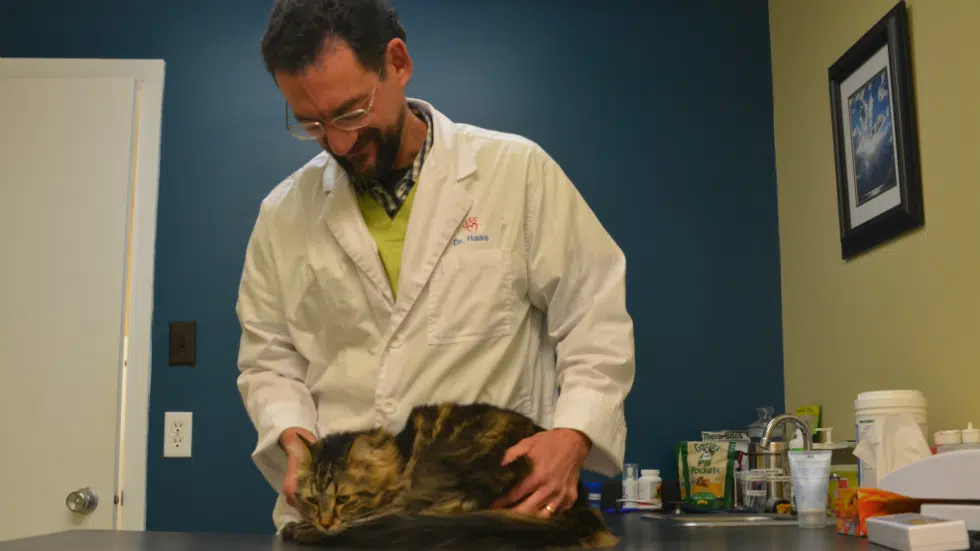
The declawing debate is one that has surfaced in Saskatchewan as well and Dr. Shawn Haas, a local veterinarian and owner of Lakeland Veterinary Services, said though he doesn’t like to declaw cats, sometimes it is the best option.

“It is a very polarizing issue for a lot of people,” Dr. Haas said. “I don’t want to see the day that I have to put down a cat because the owner doesn’t have the option of declawing.”

Dr. Haas essentially said the veterinarians lobbying against declawing are wrong for the right reasons. The Ontario group said the pain associated with declawing would be similar to a human removing every first knuckle. Haas said the reality of the debate is a lot more cats will be euthanized if declawing is banned.

“When someone buys a cat they have to decide whether their furnishings are more important than the cat,” Dr. Haas said. “For a lot of people, the thousands of dollars of damages a cat can cause to furniture isn’t worth it. If someone gets new drapes and the cat is climbing up to the ceiling on them and they don’t have the declawing option, then odds are that cat will end up dead.”

Without the option to declaw owners would have to decide whether to put the cat down or surrender it to a shelter. Dr. Haas said for older cats the latter is pretty much a death sentence because older cats rarely get adopted.

The veterinarian said declawing is a decision that should be made with the cat when it is still a kitten, adding he doesn’t like to declaw cats after they turn one. Dr. Haas has seen eight-week-olds return to playing like normal after 30 minutes of the procedure, where older cats can still be tender months after surgery.

However, there are alternatives to declawing. Dr. Haas suggests scratching posts and trimming nails regularly. There are also nail covers you can buy that the doctor compared to gel nails women wear.

“The ones we carry actually come in different colours,” Dr. Haas said. “A lot of customers who use them will do holiday themes like green and red for Christmas and black and orange for Halloween. They do take a lot of time and effort to apply and a lot of us have busy lives.”

The gel nails last between four to six weeks and the only discomfort caused to the cat is the inability to retract its nails. Dr. Haas said this does not cause them any pain.

As for how close Saskatchewan is to banning declawing, the vet said it was brought up at the annual Saskatchewan Veterinary Medical Association meeting four years ago. Docking of tails and cropping of ears were bought up as well but none were outlawed. Dr. Haas said the year after ear cropping was discussed and was banned in the province. He added declawing hasn’t come up since but he wouldn’t be surprised if it did again sometime soon.  

Ultimately, Dr. Haas believes the decision of declawing should remain in the hands of the pet owner. The last thing he wants to do is euthanize a perfectly healthy cat because the owner doesn’t have the choice.

greg.higgins@jpbg.ca

On Twitter @realgreghiggins