Click here to sign up for our free daily newsletter
A view from above White Star road in the RM of Buckland, near Prince Albert. (Image Credit: Nigel Maxwell/ paNOW Staff)
Spring Melt

Flood ravaged RMs continue calls for supports and resources

May 6, 2026 | 4:46 PM

As of Wednesday afternoon, 15 local states of emergency remained active across Saskatchewan, with peak floodwaters expected to arrive within four to six days in some areas.

The Saskatchewan Association of Rural Municipalities (SARM) reported dozens of communities have already been cut off by washed-out roads, and conditions continue to evolve rapidly.

“Saskatchewan’s rural municipalities are on the front lines of this flooding emergency,” said Bill Huber, SARM President. “Clear, timely communication with residents can save lives and property. We’re urging all RMs to use every available channel to share safety information and connect residents with provincial support programs.”

SARM is encouraging residents to check flood risks in their location using Water Security Agency flood maps. While the RM of Meadow Lake confirmed that the water levels have returned to normal and the community is now focusing on cleanup and damage control on roadways and bridges, a high flow advisory remains in effect for areas extending from northwestern Saskatchewan near Buffalo Narrows down to southeastern areas near Yorkton.

READ MORE: Some streams have peaked, Sturgeon, Garden, Torch Rivers still climbing: WSA update  

Earlier in the week, the WSA said very high flows observed in the northern portions of the Quill Lakes Basin, the headwaters of the Carrot River, and parts of the Assiniboine River Basin were associated with significant snow accumulation and recent warm temperatures, that have resulted in a rapid melt across portions of the basin. In other areas like

“Current information indicates that the runoff may be comparable to historical high flood events; however, conditions continue to be monitored as snowmelt progresses. While some smaller creeks and tributaries may have reached their peak, high flows are still expected to move through the river systems over the next several days, particularly in areas where snow remains.

Among the hardest hit areas was the RM of Garden River which is applying to be designated a disaster area under the provincial disaster assistance program. To date, there’s been between 30 and 40 washouts throughout the RM.

In the Shell River Heights area of the Rural Municipality of Buckland, roughly a dozen property owners were asked to evacuate Tuesday night.

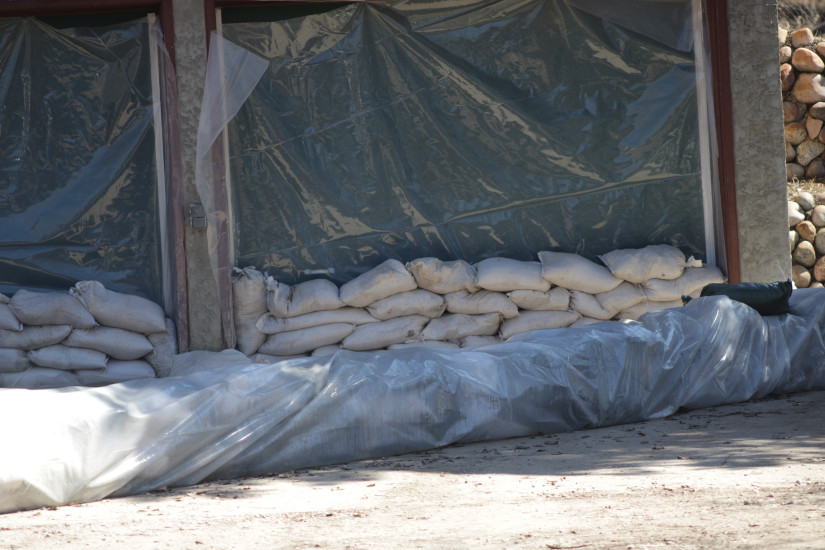
Mike Bell was one of them and said the water is less than ten feet from his back door. His home is surrounded by sandbags and over the past 24 hours, the water has actually receded about six inches.

“Right now I’m doing pretty good. These guys who have been sandbagging have done an unbelievable job and all the help we’ve had, I love it,” he said.

Having experienced the effects of a big flood in 2013 that threatened his property, Bell recalled those nervous feelings.

“I have show cars and race cars that were in the shop and in the garage…so its been a lot of shuffling,” he said of his worries.

A wall of sandbags protects Bell's home.
A wall of sandbags protects Bell’s home. (Image Credit: Nigel Maxwell/ paNOW Staff)
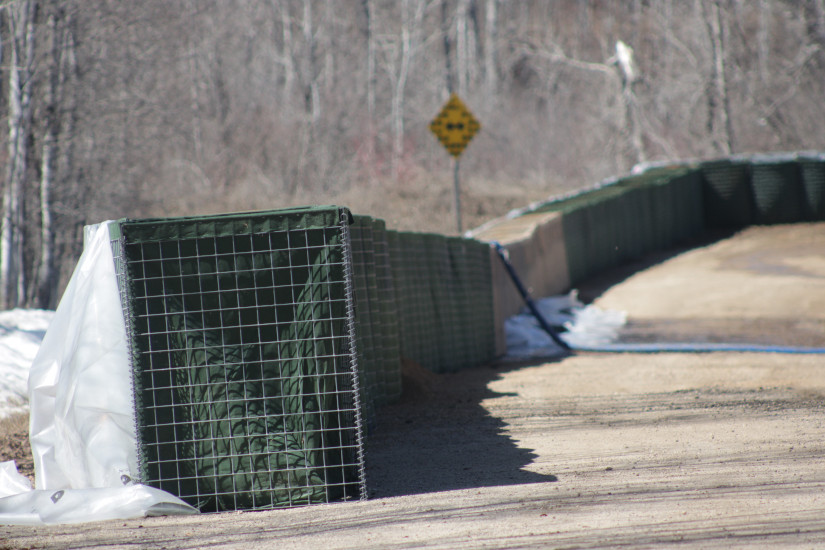
A large berm stretches the entire length of one access road in the RM of Buckland.
A large berm stretches the entire length of one access road in the RM of Buckland. (Image Credit: Nigel Maxwell/ paNOW Staff)
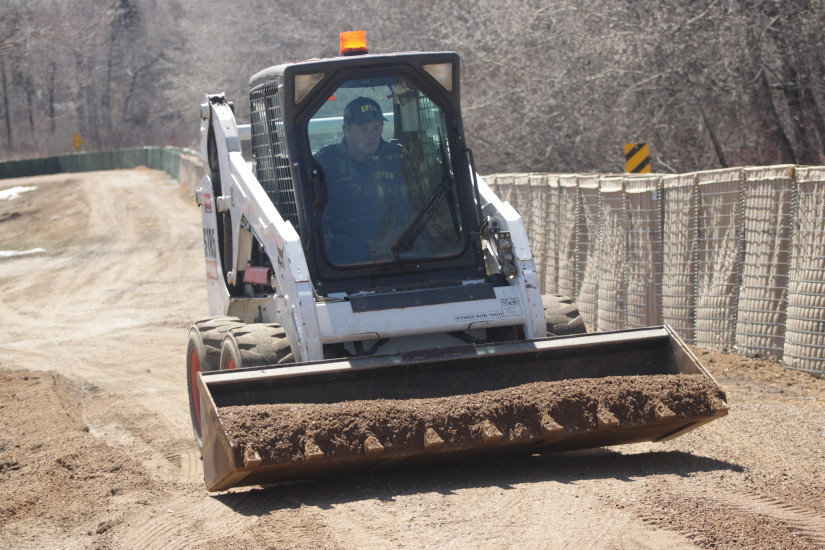
The Saskatchewan Public Safety Agency has been assisting property owners.
The Saskatchewan Public Safety Agency has been assisting property owners. (Image Credit: Nigel Maxwell/ paNOW Staff)

Throughout the RM, a number of roads have been closed, and flood waters have penetrated at least one home. A number of farmers’ fields have taken on so much water that they appear as small lakes on what should be dry land.

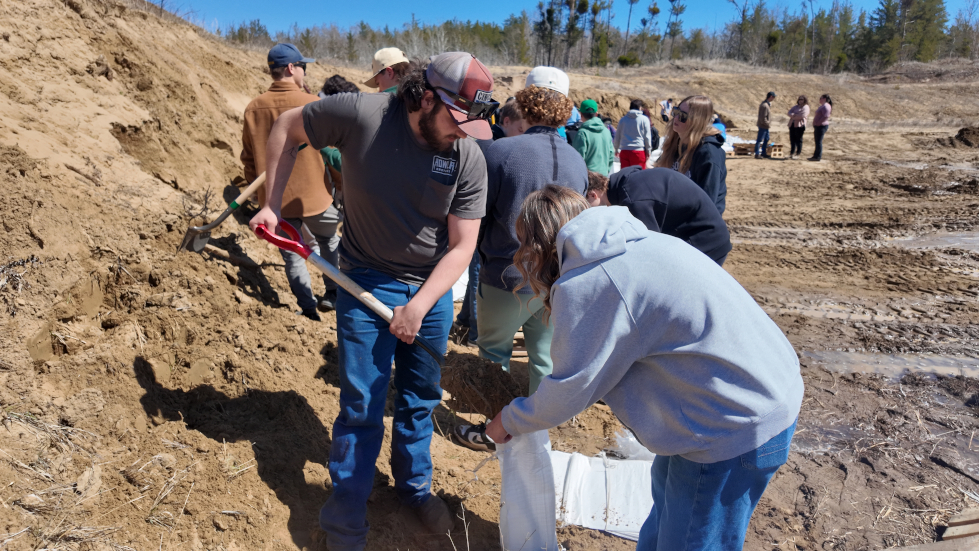
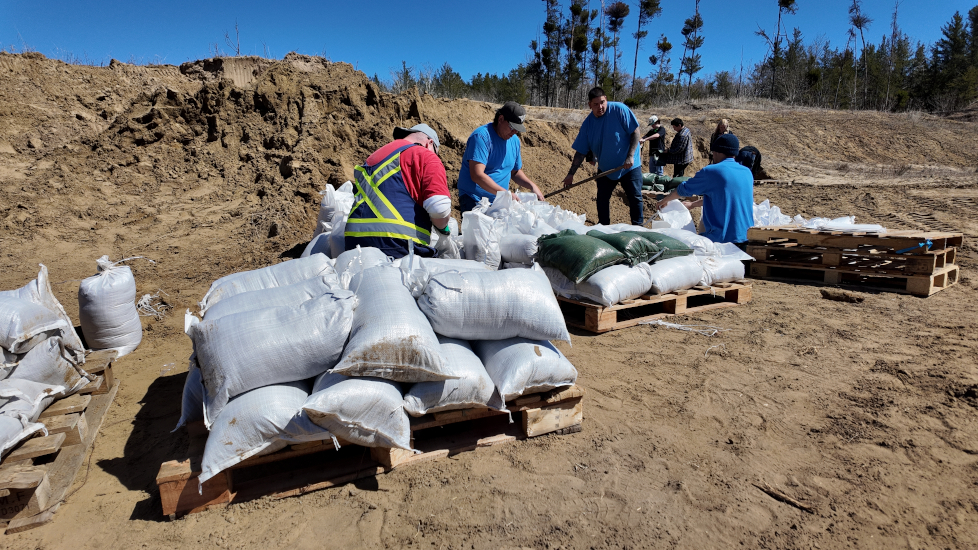
Econo Lumber in Prince Albert donated shovels to help with sandbagging efforts at the Red River Roping and Riding Arena; and two land-based learning classed from Carlton Comprehensive High School were there helping to fill the bags.  Instructor Laren Ball told paNOW they are trying to teach he students about reciprocity.

“You know you do something nice for someone else, and it’s important to help out the community and how a little bit later in life, these things always come back to bring some good things into our lives,” he said.

Students from Carlton High School helped fill sand bags Wednesday.
Students from Carlton High School helped fill sand bags Wednesday. (Image Credit: Nigel Maxwell/ paNOW Staff)
Econo Lumber donated shovels to help with sandbagging efforts.
Econo Lumber donated shovels to help with sandbagging efforts. (Image Credit: Nigel Maxwell/ paNOW Staff)

According to Wednesday’s update from the RM, staff and volunteers have been working from morning to night for days to help protect homes, roads, and neighbours.

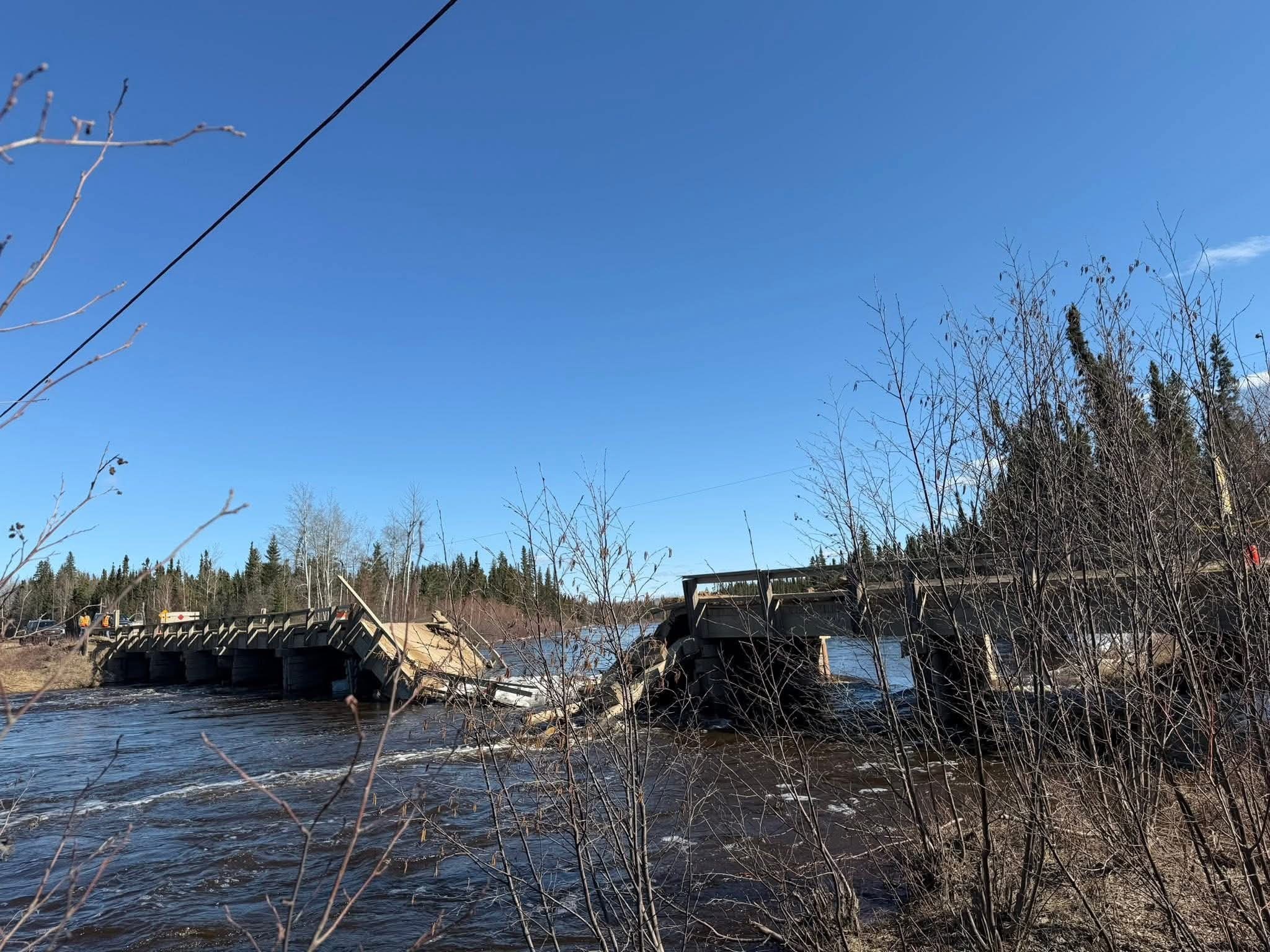
Smooth Stone Lake bridge, close to Pinehouse, collapsed on Tuesday.
Smooth Stone Lake bridge, close to Pinehouse, collapsed on Tuesday. (Image Credit: Submitted photo/Josephine Natomagan)

Flooding in other areas

Pinehouse Lake and Patuanak in Northern Saskatchewan continue to be closed to the rest of the province due to flooding over highways.  

Highway 918 to Patuanak continues to be impacted by washouts in multiple areas and has been closed now for several days.  

Meanwhile, work continues on Highway 165 due to flooding in two different areas. One section of roadway near Beauval continues to be closed because of water over highway, while the Smoothstone Lake Bridge closer to Pinehouse collapsed on Tuesday.  

As of late Wednesday, there was no estimated time of reopening but the Ministry of Highways said it has work crews on location. 

Premier Scott Moe said the province’s immediate role in the response is through the Saskatchewan Public Safety Agency and Ministry of Highways.

“Anywhere we can across government just support our communities, stand shoulder-to-shoulder with those volunteers, keep the water out of communities, try to protect the roads as much as we can, and then we’ll turn to standing by those very same municipalities, First Nations communities, in rebuilding those roads and replacing any of the homes that are there. We have the provincial disaster-assistance program and other programs that we can utilize at that point, but right now it’s about keeping water out,” said Moe.

nigel.maxwell@pattisonmedia.com

On X: @nigelmaxwell

-With files from CKOM