Click here to sign up for our free daily newsletter
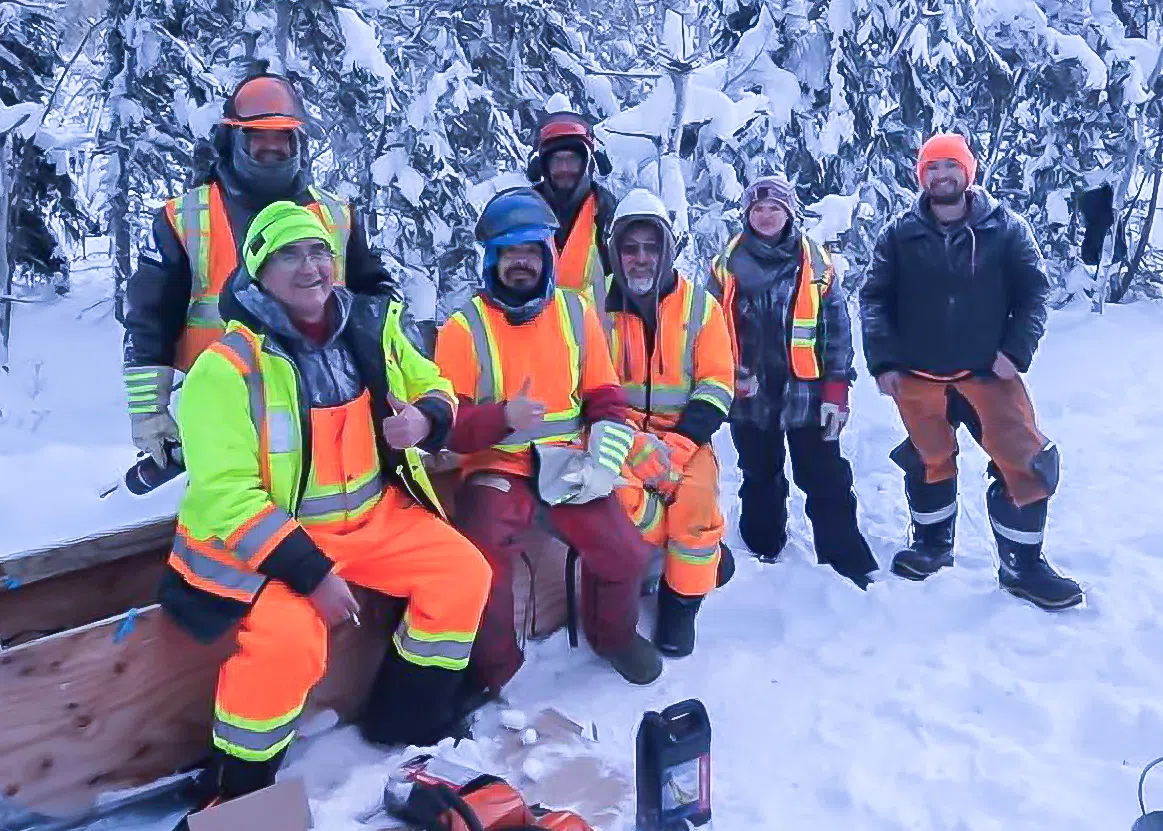
PAGC forestry crews are currently working on 11 active wildfire mitigation projects across Saskatchewan, including Camsell Portage, Cypress Hills, Grandmother’s Bay, Lac La Ronge, Timber Bay and Duck Mountain. (Image Credit: Submitted/PAGC)
'Unsung heroes'

PAGC highlights wildfire mitigation work being done by crews in northern Sask.

Feb 13, 2026 | 11:14 AM

Wildfire mitigation crews are already on the ground across Saskatchewan, months before wildfire season reaches its peak.

About 100 workers are currently deployed, cutting hazardous fuels, thinning dense forest stands and opening fire guards to reduce the risk of wildfires reaching homes and communities.

The Prince Albert Grand Council said the early work is critical to protecting northern communities.

“This work is about prevention, not reaction,” said Grand Chief Brian Hardlotte of the Prince Albert Grand Council (PAGC). “When mitigation is done properly, it can mean the difference between a wildfire being contained and a community being forced to evacuate.”

Forest mitigation and FireSmart crews operate months, and sometimes years, ahead of wildfire season. The work is done outside of emergency situations and focuses on lowering risk before fires are out of control.

“Our work doesn’t make headlines,” said Issac Custer, a forest mitigation crew leader. “If we do our job right, the fire may never become a disaster.”

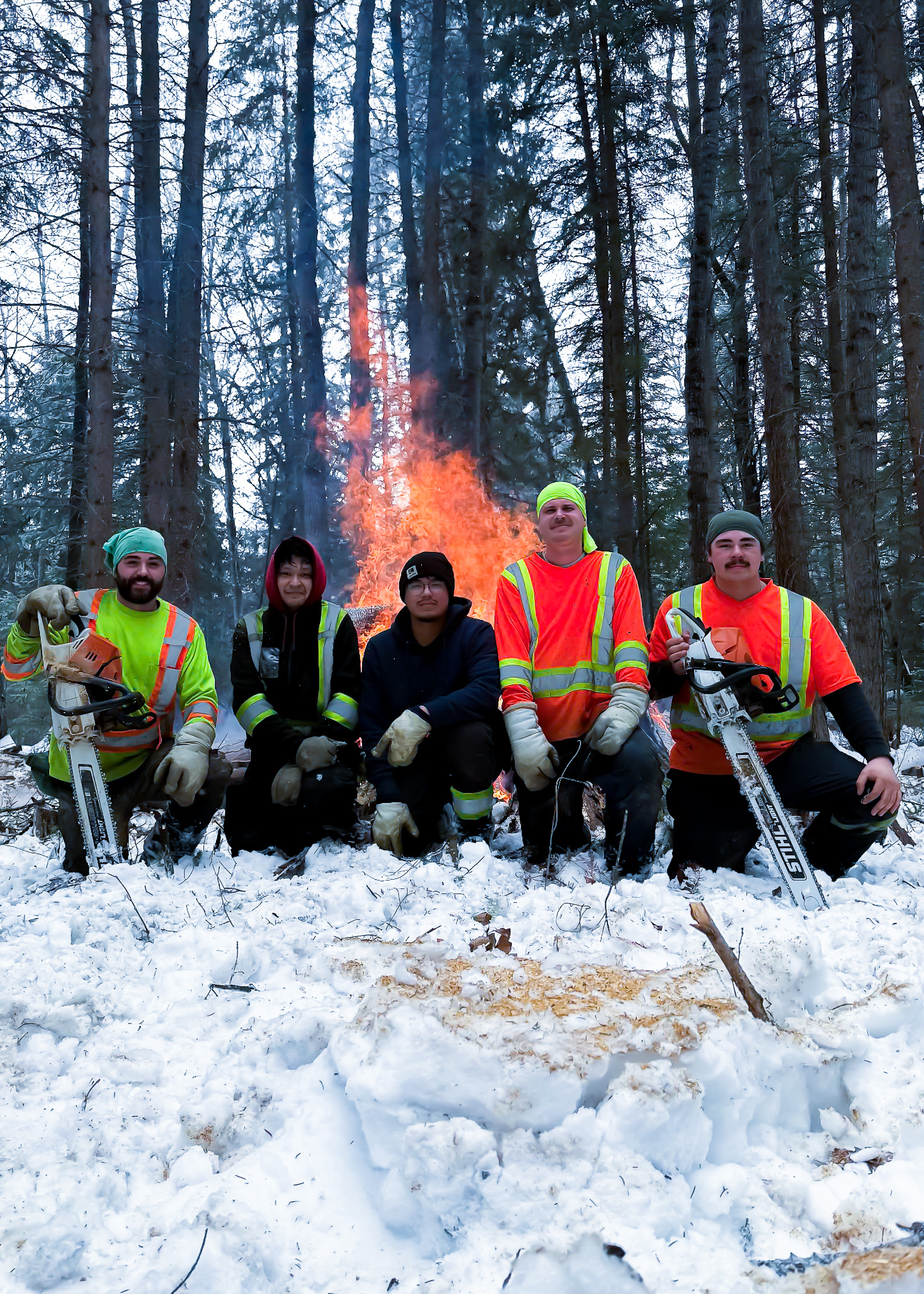
Crews are expected to mitigate about 100 hectares of forested land this season to 
reduce wildfire risk near homes and critical infrastructure.
Crews are expected to mitigate about 100 hectares of forested land this season to
reduce wildfire risk near homes and critical infrastructure. (Image Credit: Submitted/PAGC)

Communities across northern Saskatchewan have faced repeated large-scale evacuations in recent wildfire seasons, along with destroyed homes and long-term recovery efforts.

Mitigation efforts include clearing hazardous fuels around homes and infrastructure, thinning dense forest stands, maintaining fire guards and creating defensible space around critical assets. Priority areas include residential zones, schools and health centres, power lines, evacuation routes and access corridors.

“These crews are the unsung heroes of wildfire prevention,” said Pierce Pellerin, PAGC’s Director of Forestry. “They’re on the land long before smoke is in the air, doing difficult, skilled work that most people never see. When a fire slows down or never reaches a community, this is often why.”

In Indigenous communities, mitigation work also focuses on protecting traplines, harvesting areas, culturally significant sites and traditional land-use areas.

The job is physically demanding and highly skilled. Crews work in dense bush and uneven terrain, often in extreme cold and remote locations where conditions can change quickly. The work requires specialized training and knowledge of forest behaviour and fire dynamics, using chainsaws, hand tools and other specialized equipment.

Research shows FireSmart-treated areas can significantly reduce fire intensity and improve firefighter safety by lowering fuel loads and preventing crown fires from developing.

PAGC forestry crews are currently working on 11 active wildfire mitigation projects across Saskatchewan, including Camsell Portage, Cypress Hills, Grandmother’s Bay, Lac La Ronge, Timber Bay and Duck Mountain.

Crews are expected to mitigate about 100 hectares of forested land this season to reduce wildfire risk near homes and critical infrastructure.

“The goal is simple,” Custer said. “Reduce the risk before communities are forced into emergency mode.”

“If we do the work early, and we do it right, people may never know how close a fire came,” he said.

panews@pattisonmedia.com