Click here to sign up for our free daily newsletter
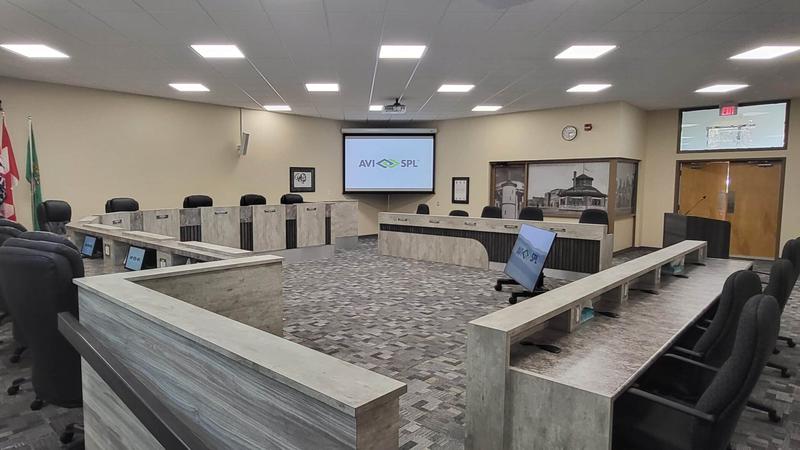
Inside the City of North Battleford council chamber at the Don Ross Centre. (AVI-SPL/website)
MUNICIPAL MATTERS

Homeowners to pay more as North Battleford updates lead water line subsidy

Jan 14, 2026 | 12:24 PM

North Battleford city council approved an increase to the portion of costs paid by property owners when mandatory lead water service lines are replaced, as the city continues efforts to phase out aging lead infrastructure.

Under the approved changes, residential property owners will pay $2,200 or 20 per cent of the total lead lateral replacement cost, whichever is less.

Commercial and industrial property owners will pay $4,000 or 20 per cent of the total cost, whichever is less, with the city covering the remaining share.

During the Jan. 12 meeting, administration told council the previous fixed contribution of $1,000 no longer reflected current construction costs.


A city report states replacement costs that ranged from $4,000 to $5,000 when the subsidy was introduced have increased to between $8,000 and $10,000.

Those figures do not include landscaping, concrete removal or interior plumbing work, which remain the responsibility of the property owner.

Mayor Kelli Hawtin said the city will continue to subsidize most of the cost.

“So this is just bringing up a little bit of the resident or business share of that to 20 per cent,” Hawtin said.

“The city will still subsidize the remainder of that cost.”

Lead service lines were installed in North Battleford between 1912 and 1947.

City estimates indicate approximately 246 partial or full lead service lines remain in the community, while about 135 have been completely removed — roughly 30 per cent of the known inventory — with most removals occurring since 2016.

Administration also highlighted the public health rationale behind mandatory replacement when lead lines are disturbed during infrastructure work. A city report notes that cutting into a lead service line can expose fresh lead surfaces, temporarily increasing lead levels in potable water.

Hawtin said the issue is limited to service laterals rather than the city’s broader water system and that there are no concerns with water quality.

“The main water lines, the water plant, there’s no concerns in any of that,” she said. “It’s just those service laterals.”

She added the city continues to offer free monitoring for properties known to have lead service lines.

Candace Toma, the city’s public and intergovernmental relations co-ordinator, said replacing lead service lines remains an ongoing challenge across Saskatchewan as municipalities work to eliminate aging infrastructure.

“This is in every single municipality, and there’s been a concerted effort across the province to try to phase out the use of those lead water lines,” she said.

Administration warned that without adjusting the cost-sharing model, funding pressures could limit how many lead service lines the city is able to replace in a given year.

Kenneth.Cheung@pattisonmedia.com