Click here to sign up for our free daily newsletter
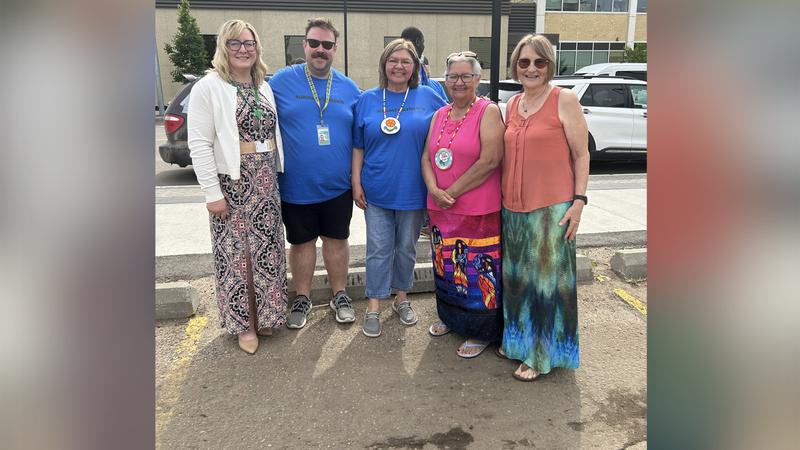
Pictured from left: Jessica Campbell, Kent Lindgren, Patricia Whitecalf, Janice Kennedy and Charlotte Hamilton.
Self-determination in healthcare

Battlefords Family Health Center celebrates 25 years of Indigenous-led primary care and systemic advocacy

Dec 29, 2025 | 11:22 AM

Twenty-five years after its initial development began, the Battlefords Family Health Center (BFHC), operating under the umbrella of Battle River Treaty 6 Health Centre (BRT6), stands as a powerful testament to self-determination in healthcare, providing a unique and expansive model of primary care.

The organization was established to address significant barriers First Nations people faced accessing standard health services. The agency has not only met its initial vision but has profoundly expanded its scope through innovative partnerships and a persistent focus on holistic wellness.

The vision for the centre started in the mid-1990s and was deeply rooted in the historical obligations of Treaty 6 when it officially opened in 2000. Patricia Whitecalf, the current executive director, said the centre’s foundational principle “all stems back to treaties, because Treaty 6, which we are a part of, has the Medicine Chest clause which speaks to having medicine accessible to people who live in Treaty 6”.

The immediate goal was creating a streamlined, accessible model.
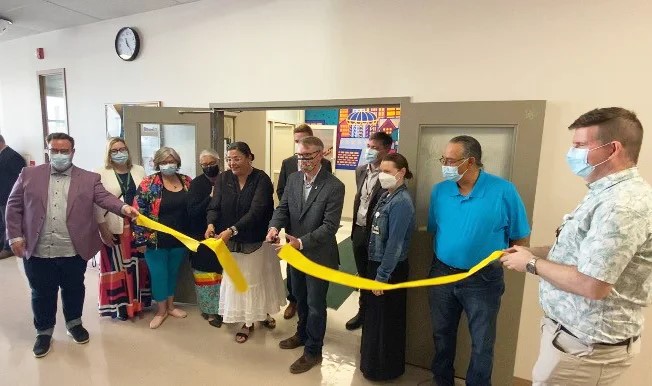
Grand opening of the Ahkameyewin Rapid Access to Addictions Medicine Clinic.

Kent Lindgren, director of Battleford’s Family Health Center, said that the core purpose remains the same.

“The vision is giving First Nations people access to primary care, and that wasn’t always available”.

The traditional fee-for-service model often failed to meet the needs of those facing numerous health barriers, where brief 15-minute appointments were insufficient. The BFHC was designed to be a different approach, moving away from merely treating existing problems.

“It was about building people’s health up and responding to things beforehand… about developing wellness and health in the people we serve,” Lindgren said.

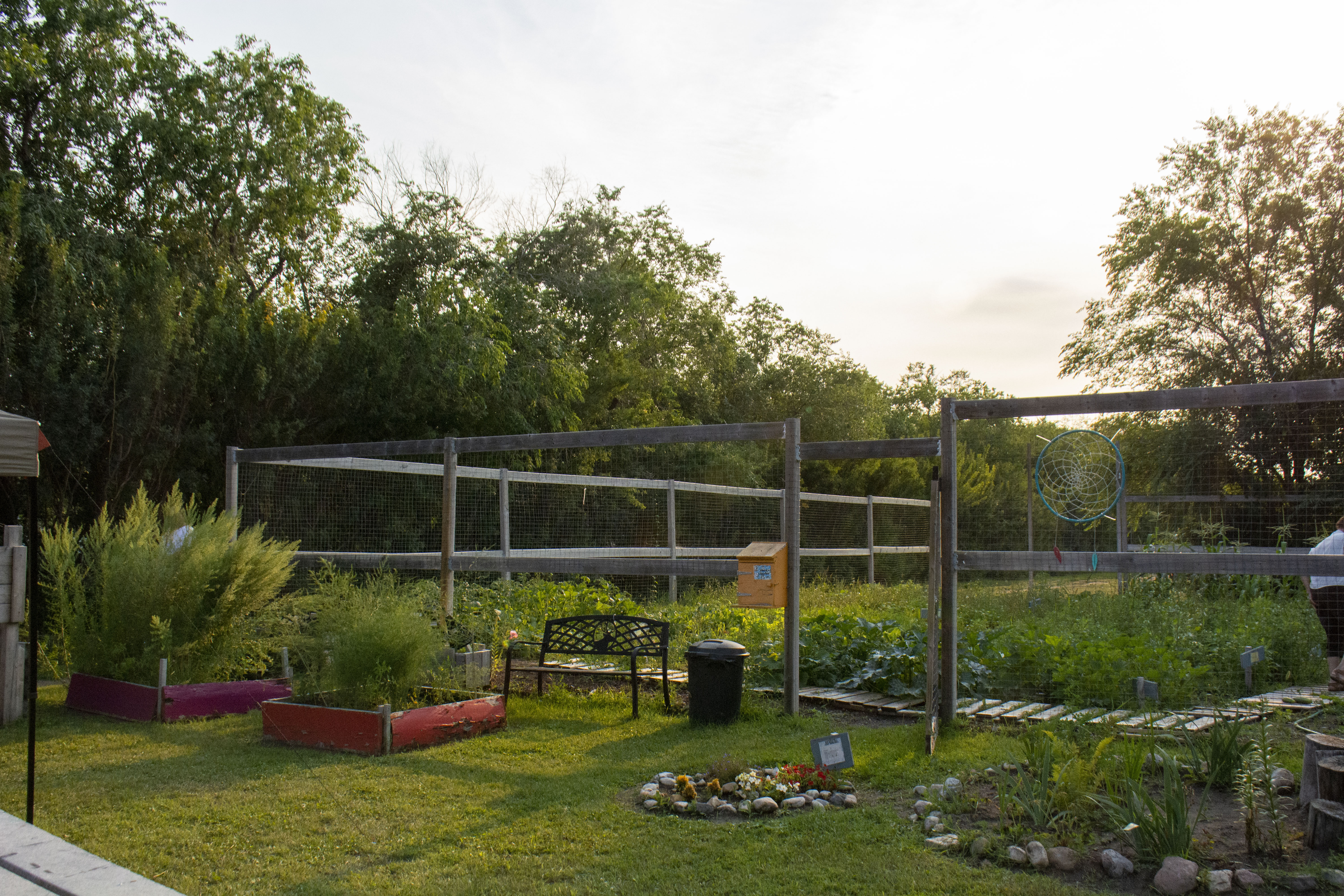
BFHC community garden.

A Pioneering Model Built on Partnership

Developing this new model was challenging and faced a number of barriers and opposition when development began. The agency’s leadership was committed to innovation in a model that remains rare today.

“I still think even outside of Saskatchewan, and in the grand scheme of Canada, there aren’t a lot of nations doing this level of primary care and this in-depth of health services too”.

Central to the success and expansion of the BFHC has been its focus on partnerships, particularly with the Saskatchewan Health Authority (SHA). Lindgren stressed that every program within his department relies on collaboration, noting that the collective approach allows the agency’s reach to go farther.

Whitecalf confirmed that without mutual collaboration, the clinic would not exist, explaining, “We need the Saskatchewan Health Authority to help with providing the doctors. And so, without the physician services, we wouldn’t have a medical clinic”.

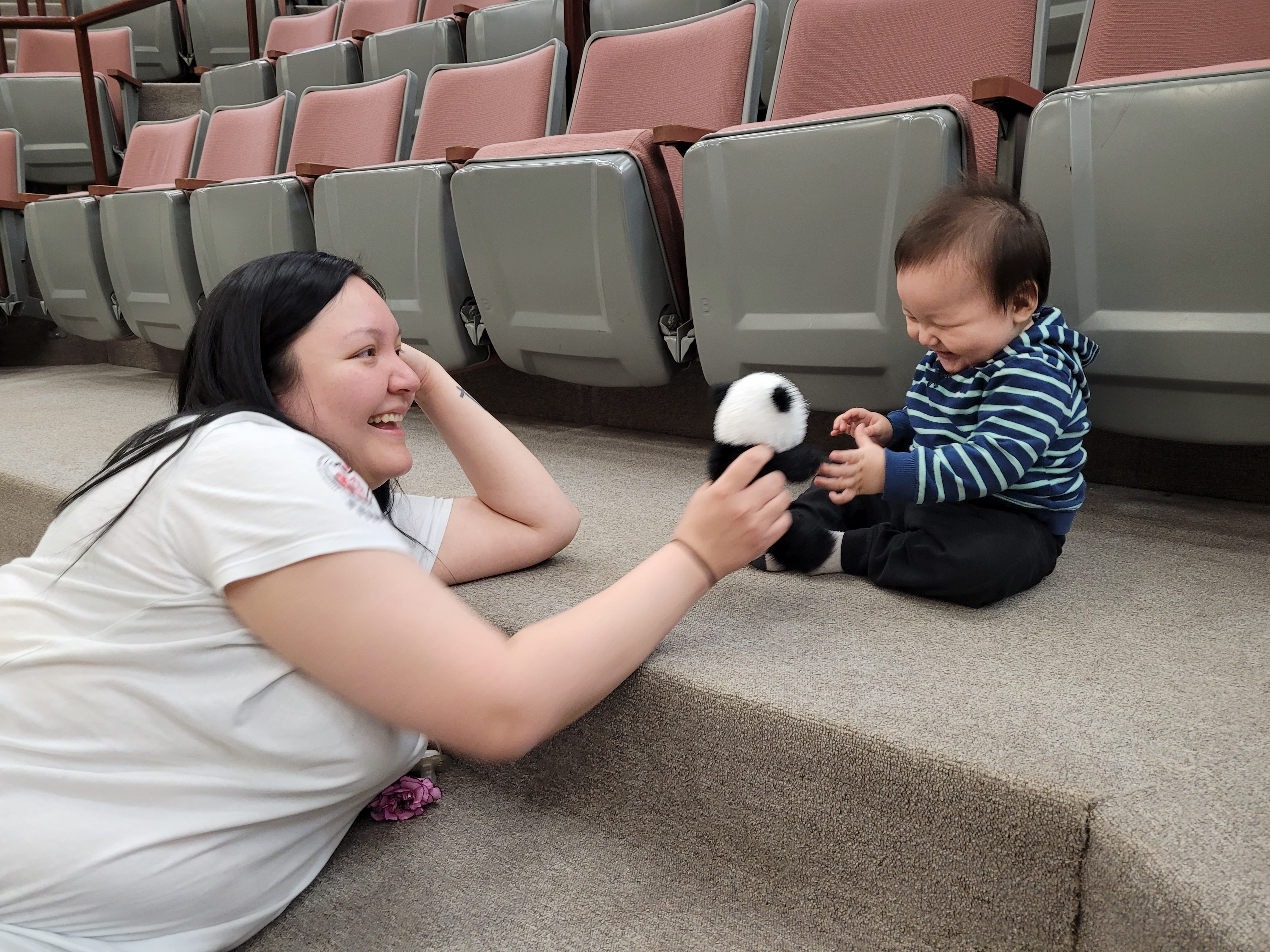
A parent and child at the Circle of Learning program with KidsFirst Battlefords.

Growth and Cultural Integration

Over two and a half decades, the organization has seen dramatic growth and diversification of services. Starting with five or six staff, including one part-time physician and a nurse, the center now employs about 28 people directly, with 65 individuals working through the department when including partner staff and physicians.

The current scope goes far beyond basic primary care, encompassing family medicine, expanded sexual health services, a Healthy Living program focused on diabetes prevention and food security, and the Kids First Program, which targets prenatal to age three.

One of the most impactful recent expansions is the Ahkameyimowin Rapid Access to Addictions Medicine (RAAM) clinic . The RAAM clinic is unique within the province. While other RAAM clinics are solely run by SHA, the BFHC model is First Nations partnered, integrating cultural support directly into the care pathway.

Lindgren emphasized that this cultural integration is vital to the model.

“None of the other clinics [RAAM clinics] have the cultural piece tied into it… they don’t have it as intimately connected into the program… the First Nation model of health includes integrating culture right into your care because that’s part of who you are”.

This level of integration ensures that patients access Elders, ceremony, and culturally appropriate support directly through the program.

Advocating Against Systemic Stigma

A major underlying motivation for establishing and expanding the BFHC model is the ongoing necessity of providing welcoming care, free from the systemic issues prevalent elsewhere. Whitecalf spoke frankly about the historical and current challenges faced by First Nations clients when accessing standard healthcare, particularly in emergency settings.

“There’s just that added stigma for First Nations that’s always been there,” she stated, recalling experiences dating back decades. She added that while the health care system is struggling broadly with wait times, the stigma exacerbates the difficulties for First Nations clients.

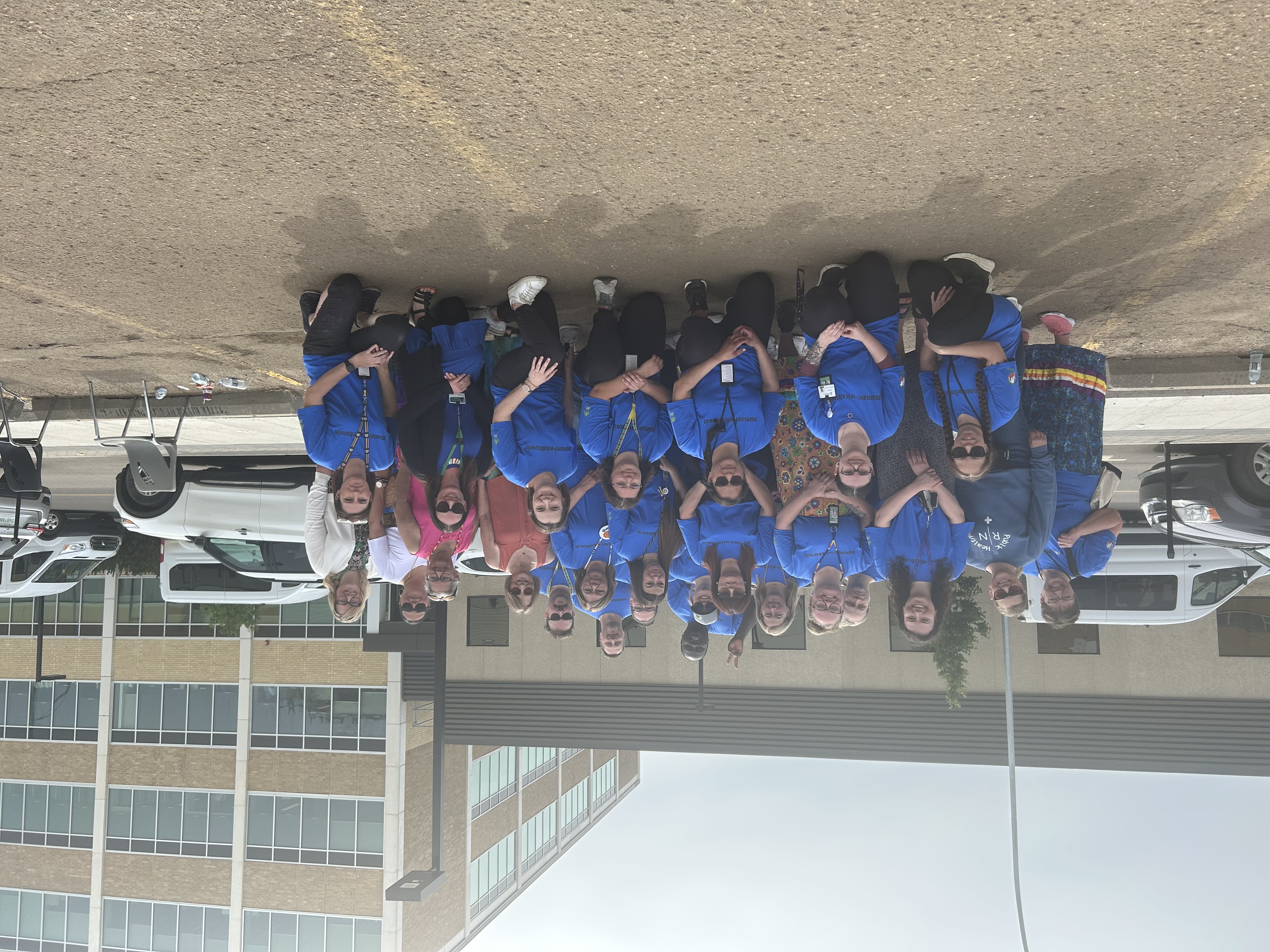
Gathering of Directors and Executive Directors of BFHC and its partners with Sask Health Authority at the 25th anniversary celebration.

Lindgren believes the agency has done crucial work in breaking down racism and systems issues in the region, noting that BFHC has become “a really valuable part of health services and this community,” recognized as an equal partner rather than an outsider.

Leadership continues to advocate for necessary changes at higher levels.

Looking toward the future, Lindgren emphasized that the need for preventative and accessible health care is greater than ever.

“There’s so much more to be done in preventative health care, in working in chronic disease and support,” he noted.

Future goals include addressing the challenging lack of family physicians and nurse practitioners and working toward offering primary health services on reserve again. The agency is also investigating a number of regional health services aimed at improving health services around the Battlefords and Northwest Saskatchewan.

As the BFHC enters its next quarter-century, its trajectory reflects the strength of its founding vision and the enduring commitment of its leadership to providing high-quality, culturally integrated primary care for First Nations people and the broader community.

**This article was contributed by the battlefordsNOW commercial content division.