Click here to sign up for our free daily newsletter
(ID 21339488 © Paul Maguire | Dreamstime.com)
WINTER IS COMING

Snow on the way to the Battlefords means it’s time to think winter tires and tune-ups

Nov 5, 2025 | 11:23 AM

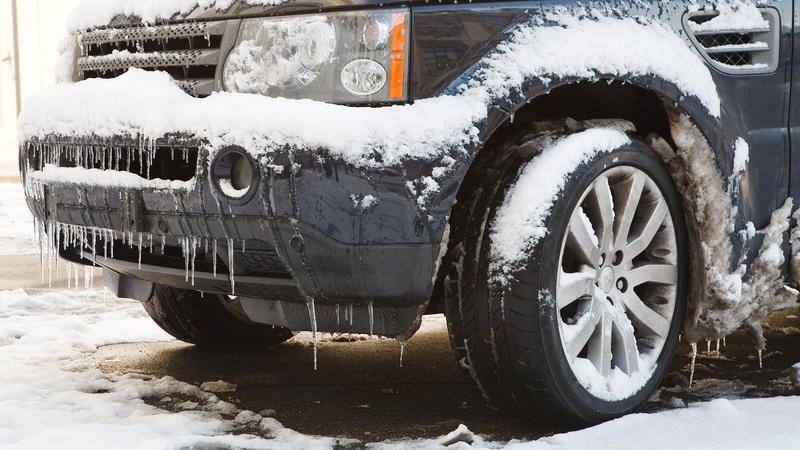
The first snowflakes may not have hit the pavement yet, but they’re already on the radar — and that means it’s time for Battlefords drivers to start thinking about tire tread and antifreeze, not Christmas decorations.

Environment Canada is calling for up to five centimetres of snow by Thursday, with temperatures dipping below zero through the weekend. It’s the kind of early-season chill that sends tire shops into overdrive — and it’s keeping people like Sharmon Martin, office manager at Fountain Tire in North Battleford, busy.

“We recommend people to put their winter tires on, like when the temperature stays below 10 degrees consistently,” she said.

Martin says some drivers put off getting winter tires, only to realize they don’t have enough traction once the snow arrives.


All-season tires, she explains, are meant for spring, summer and fall. All-weather models offer a bit more grip year-round, but true winter tires are designed for snow and ice.

“They’re a softer compound, they have more siping for braking and they’re just truly made for winter,” she said.

That softer rubber, though, can wear down quickly in warmer weather — which is why the 10-degree mark matters.

“Heat will wear them out faster,” she said. “If the temperature consistently stays below 10 every day, then it’s pretty safe to put your winter tires on.”

For drivers who don’t have the proper setup to swap tires at home, Martin recommends having the work done in a shop, where staff can ensure lug nuts are torqued correctly and tires are balanced.

“[So] you don’t get that nasty vibration when you’re driving down the road,” she said.

But tires are only part of the winter checklist. Martin recommends a full seasonal inspection — from checking antifreeze and block-heater cords to testing the battery and alternator.

“Make sure [they’re] good so when it gets cold, your vehicle will still start,” she said.

Neglecting that test can lead to an expensive tow on the first frigid morning.

The Saskatchewan Government Insurance (SGI) Driver’s Handbook offers similar advice, reminding motorists that winter conditions can last for up to five months of the year. It urges drivers to stock vehicles with winter tires, booster cables, traction mats and a snow brush — and to drive cautiously when the first flakes fall.

SGI’s guide also calls for patience on the road: “Keep a six-second following distance,” it says, and “exaggerate your gentleness on your brake and accelerator pedals.”

For Martin, that message comes down to one simple principle.

“Have winter tires, make sure your air pressures are good, make sure your brakes are good,” she said.

“An overall safety check of your vehicle to make sure everything is good before [the snow hits], so we can be as safe as possible on the road.”

SGI suggests that during the winter months, drivers check the Highway Hotline at hotline.gov.sk.ca/map for current road conditions — and stay home if travel is not recommended.

Kenneth.Cheung@pattisonmedia.com