Click here to sign up for our free daily newsletter
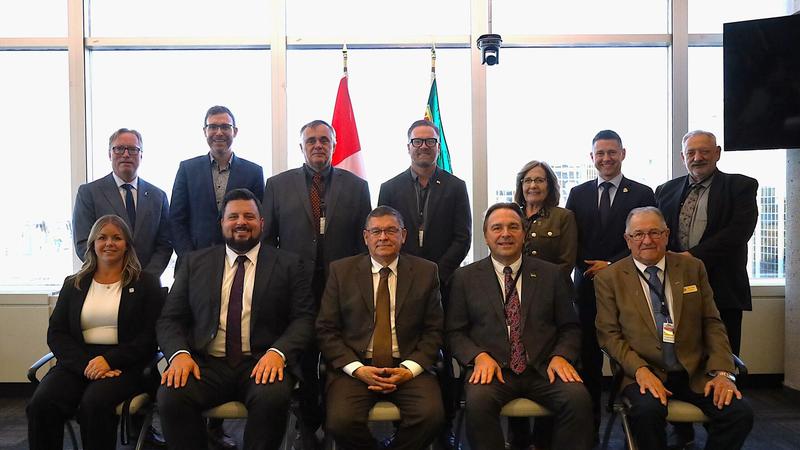
Representatives from SUMA, SARM, and Saskatchewan city mayors were in Ottawa earlier this week to discuss bringing back the ICIP fund. (Facebook/SUMA)
Investing in Canada Infrastructure Program

SUMA returns from Ottawa in hopes to revive ICIP

Oct 4, 2025 | 12:00 PM

With representatives from all over the province joining the trip, members of the Saskatchewan Urban Municipalities Association (SUMA) were in Ottawa for three days this past week.

The purpose of the trip was to try and convince the federal government to extend the Investing in Canada Infrastructure Program (ICIP), which provides funding from the federal and provincial levels to help with the costs of community projects in municipalities.

“The Saskatchewan government asked us to come as a group to talk to the federal government about creating the ICIP program again,” said Dawn Kilmer, who was there as the Vice President of the City Caucus for SUMA, but is also a Prince Albert City Councilor. “They have the housing program that they’ve put out, but we would like them to put in the ICIP program again, where the province says they’re ready and willing to put in a third of any project, regardless of the size of the village or town or RM. It’s about projects that build the economy.”

The current version of ICIP was brought in in 2018, and allowed for applicants of four different distinctions: Municipal, Non-Profit, Indigenous, and Private Sector – For Profit. Applications for this form of funding are no longer being accepted.


In the case of Municipal projects, successful applicants could secure 33.33% of their funding from the provincial government, at least 40% from the federal government, and municipalities would then supply the rest of the project’s funding.

“The municipality will put in a third, and then we’re asking the federal government to put in a third, and to not bind it with a lot of regulation. Make it flexible, predictable, sustainable, so that we can invest in our infrastructures that we know, whether they’re core infrastructure or quality of life infrastructures. Different municipalities have done different things. The bigger things that attract families to your community, those things cost quite a bit, and when we need them, that support is necessary.”

During their talks in Ottawa, a lot of different projects were brought up, like the convention and events centre Prince Albert is hoping to build in the near future, a new lift station in Moose Jaw, a number of projects in Regina, and the need to replace or upgrade the arena in North Battleford. ICIP is intended to help with big projects like these, but it could mean a lot more to some of the smaller communities under the SUMA umbrella.

With communities like Valparaiso, a small community of 15 people about 20km east of Melfort on Highway 3, ICIP could be huge for infrastructure projects. Bigger municipalities could make light work of a $20,000 bill thanks to municipal taxes, but smaller communities like Valparaiso or other similar communities could instead use ICIP funding to take that burden off their taxpayers.

“It was really apparent that we’re all so unique with our needs, but that we do we spend our money wisely on the real critical things all the communities have invested in, no matter the size of the community. And if it’s a small community that just needs that water pipe, that’s a big investment for a 20-person community. So it was interesting listening to everybody talk about their city and the pride in their community and what it would take.”

With the federal budget coming out on November 4, Kilmer said she isn’t expecting to see any changes to the ICIP program in 2025, but with the quality of presentations that were had during their trip, she’s hopeful to see it as part of the spring budget in 2026.

More than anything, Kilmer said that there is huge value in bringing these conversations directly to Ottawa instead of trying to communicate with each other from afar.

“This spring budget, we might be lucky enough and maybe we hit enough of, I don’t want to say hit a nerve, that’s not the right thing, but gave enough of a feel that they need our voice that they might call on us to talk again, or we might go out there, it might be time to go out there again in February. If they’re aware of you, they can recognize that we’re already working together in Saskatchewan, municipalities and the government. So we need the federal government support as well, and hopefully that message resonated.”

nick.nielsen@pattisonmedia.com