Click here to sign up for our free daily newsletter
ID 10058689 © Taiga | Dreamstime.com
2025 Saskatchewan Crop Report

Saskatchewan harvest continues to lag behind five year average

Sep 4, 2025 | 5:23 PM

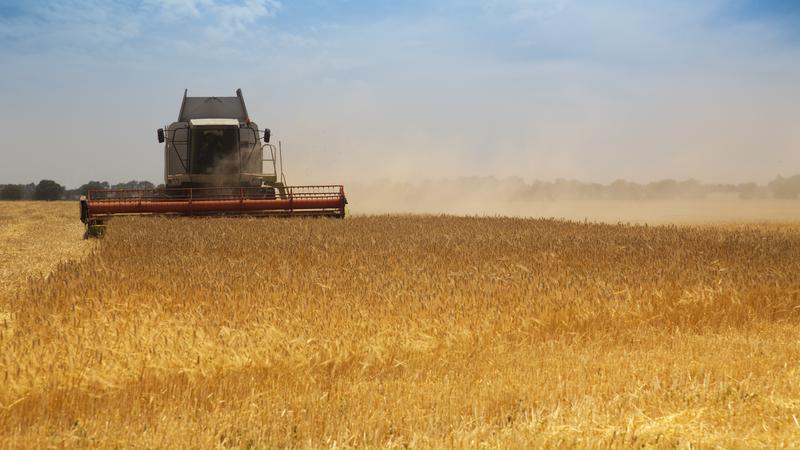
The hot weather allowed farmers in Saskatchewan to make headway with the 2025 harvest.

The crop report for the week of Aug. 26 to Sept. 1 showed provincial progress at 23 per cent, up from 11 per cent last week but still back of the five-year average of 40 per cent and the ten-year average of 34 per cent.

Crops Extension Specialist with the Ministry of Agriculture Tyce Masich said 91 per cent of winter wheat and 88 per cent of fall rye have been combined with 73 per cent of field peas and 60 per cent of lentils in the bin.

For spring cereal crops, triticale is the furthest ahead at 61 per cent, followed by barley at 34 per cent, durum at 30 per cent, oats are 17 per cent and spring wheat is 14 per cent completed.


Most oilseed crops are still in the field, with mustard just 10 per cent harvested, followed by canola at four per cent. No flax crops have been combined yet.

Masich said crop regrowth and lodging are causing challenges for producers while combining.

“With the crop regrowth, it’s on the individual plants when it starts to regrow, we see it in a lot of pulse crops, and that makes timing challenging for the best time to take a crop off,” Masich said. “If it starts to regrow, it will produce new pods and fill new seed, and producers might think it could benefit yield potentially, but by the time the new pods start to actually fill and form seed, the lower, older pods start to shatter.”

This makes timing difficult as to when to take the crop off. Masich said there can be a lot of green material going through the combine that causes the combine to plug.

“It just makes harvest a little more challenging. Then in terms of lodging the crop pretty much falls to the ground and just makes it harder for the combine to pick up,” he added.

Very little rain was recorded around the province and while topsoil moisture declined as a result, it is still considered adequate. Producers are hoping for rain after harvest to replenish soil moisture.

Major crop damage factors include wind and dry conditions, along with grasshoppers and bertha armyworms.

Masich said he’s heard early yields range from good in the eastern part of the province to mixed in the west.

Yields will be covered in next week’s crop report.

alice.mcfarlane@pattisonmedia.com