Click here to sign up for our free daily newsletter
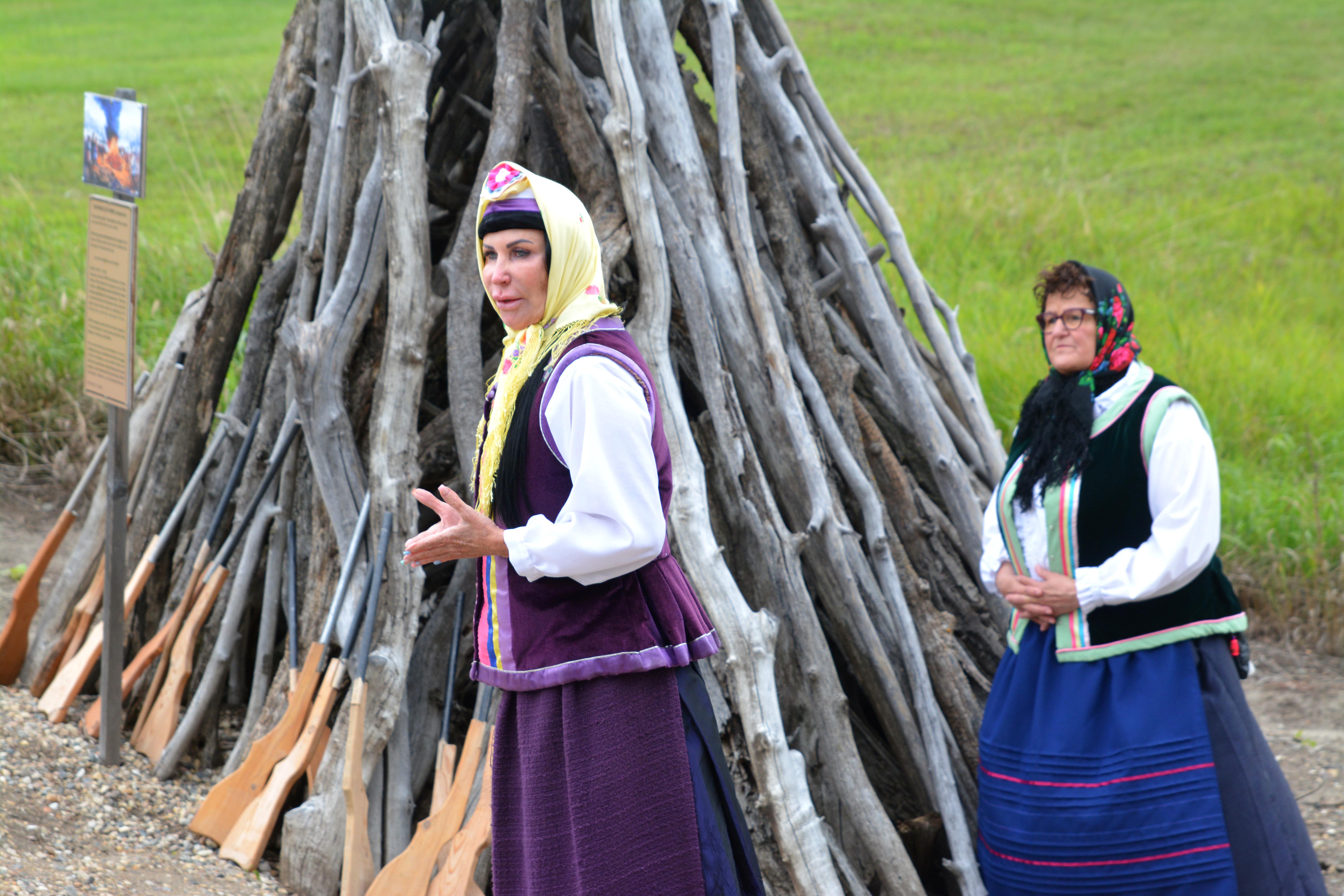
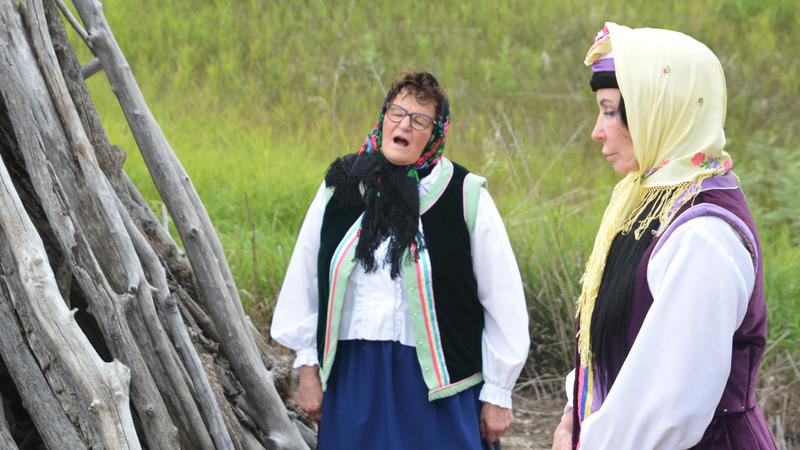
Elder Jeanette Stringer (left) sings a traditional Doukhobor hymn as Brenda Cheveldayoff, founder of the Doukhobor Dugout House, stands nearby at the replica “burning of arms” site during the Peace and Tourism event on Aug. 16, 2025.
THE DOUKHOBOR DUGOUT HOUSE

‘War… what is it good for?’: Doukhobor stories share peace through tourism

Aug 18, 2025 | 1:26 PM

At a hillside dugout near Blaine Lake, peace is more than an idea; it’s lived, sung and remembered.

The Doukhobor Dugout House hosted a ‘Peace and Tourism’ event on Aug. 16, bringing visitors into the community’s story of nonviolence and survival.

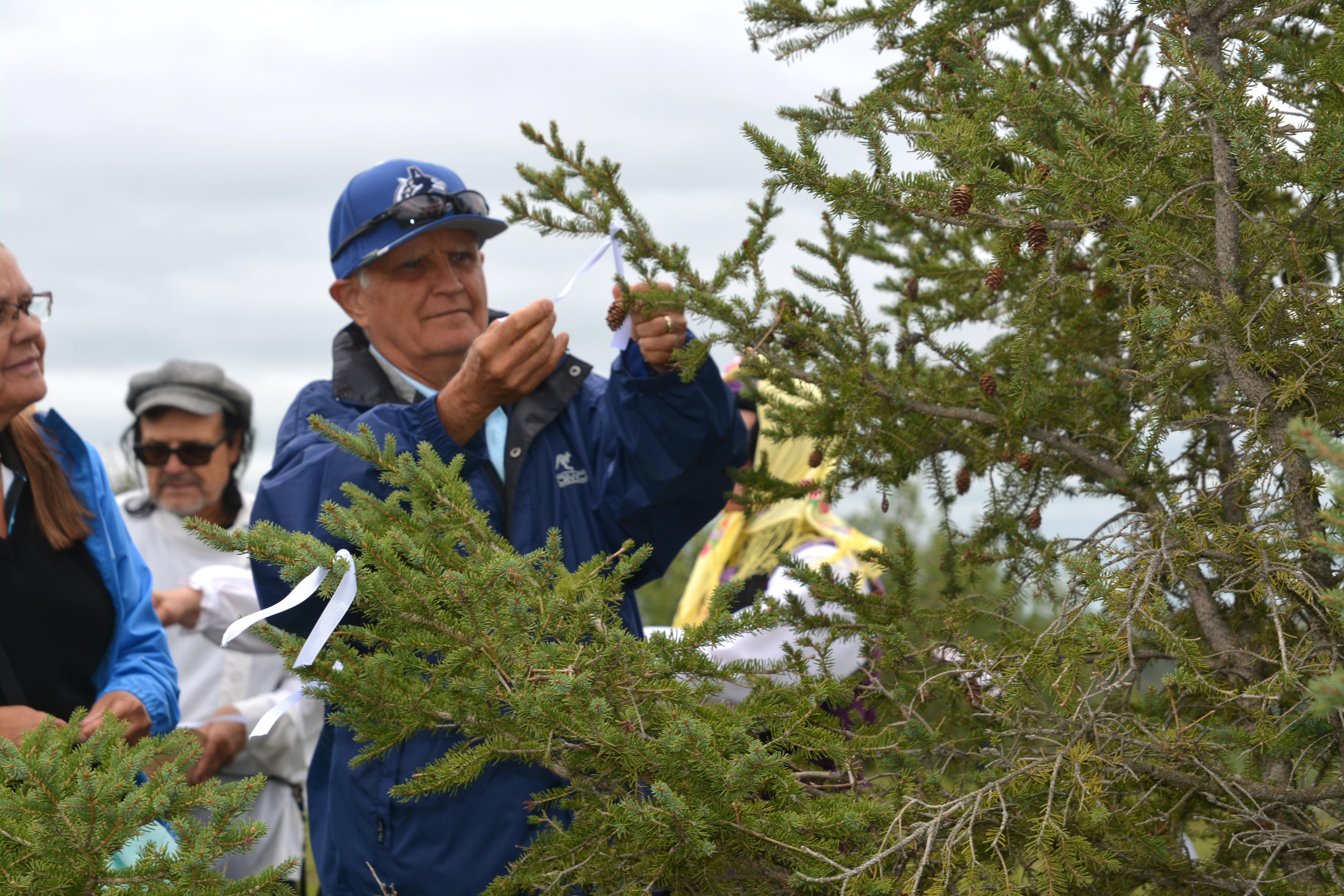
Guests tied white ribbons to a Peace Tree, sang hymns, retraced historic acts of resistance, and toured the caves where nine families lived in the 1890s.

The burning of arms

One of the most powerful stories retold was the Burning of Arms. In June 1895, Doukhobors in three Russian villages piled their weapons and set them on fire while singing hymns — a defiant stand against being forced into the army.

“Because they believed in teachings of Christ that we shall not kill and that we should love one another and share and care… They didn’t want any part of killing, and they didn’t want any part of war,” Elder Jeanette Stringer said.

“So they just made the decision that, ‘If we make a big enough stand, then the army and the government will leave us alone.’”

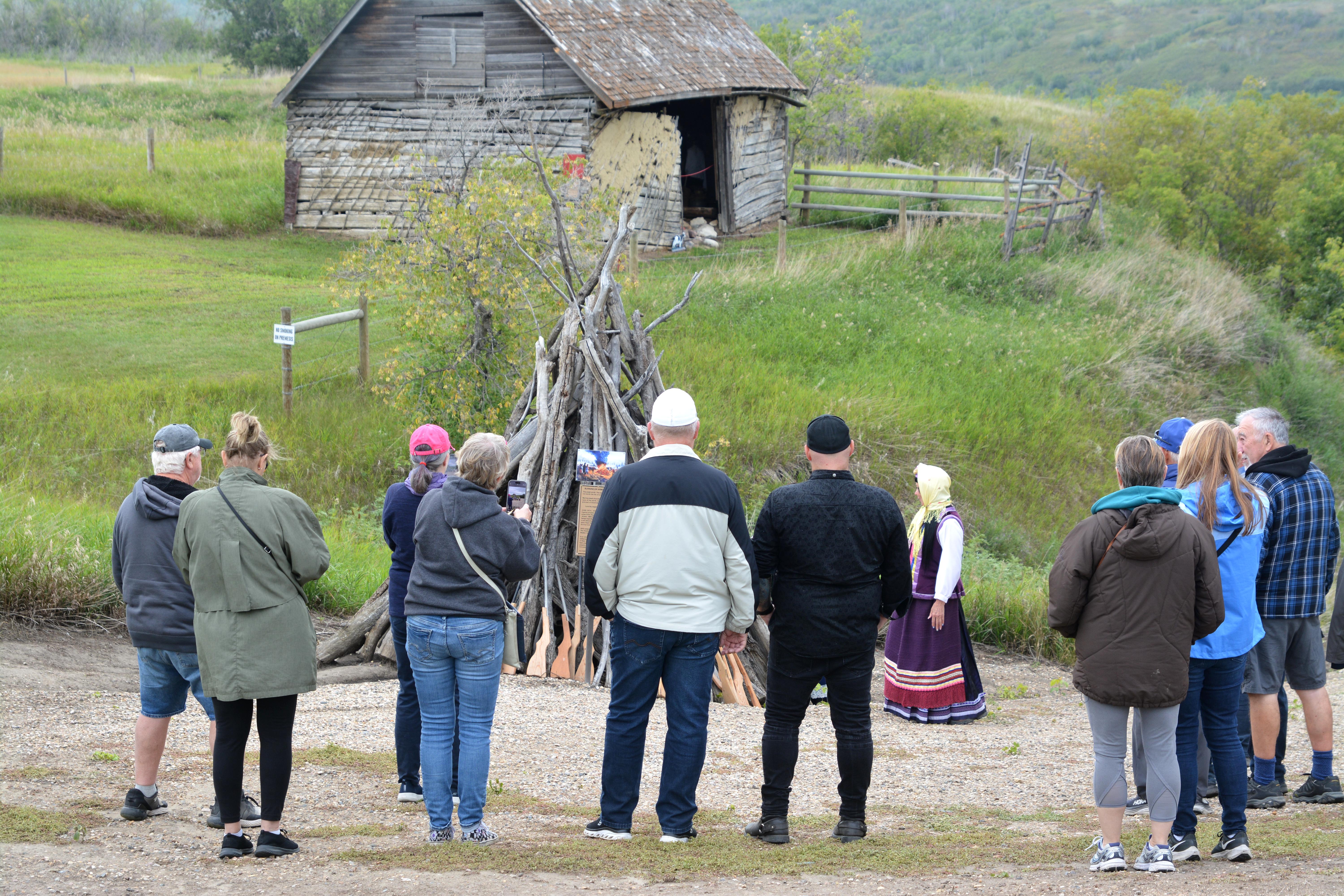
Visitors gather at a replica site marking the history of the Doukhobors’ “burning of arms.” (Kenneth Cheung/battlefordsNOW Staff)

But it just got them into a whole heap of trouble.

“Soldiers tried to break the protest, but even their horses refused to trample the crowd. Many Doukhobors were arrested, beaten or exiled to Siberia.

It was only through allies abroad that escape became possible. Russian writer Leo Tolstoy donated proceeds from his novel Resurrection, and Quakers and Queen Victoria raised money for the group’s passage to Canada. Between 1898 and 1899, more than 7,400 Doukhobors resettled on the Prairies, carrying with them their ideals of pacifism and equality.

Brenda Cheveldayoff, founder of the Doukhobor Dugout House, left and Elder Jeanette Stringer share the history of “burning of arms” to visitors. (Kenneth Cheung/battlefordsNOW Staff)

A faith centred on peace

Stringer, who led the hymn Toil and Peaceful Life, said Doukhobors refused to bow to church icons, choosing instead to honour the divine within each person.

“They felt they wanted to bow to one another, to the divine within each being,” she said. “The welfare of the world is not worth the life of one child.”

Elder Jeanette Stringer led the hymn Toil and Peaceful Life. (Kenneth Cheung/battlefordsNOW Staff)

For her, the lesson remains urgent.

“War… what is it good for? Seriously, have we not learned?”

Survival and resilience

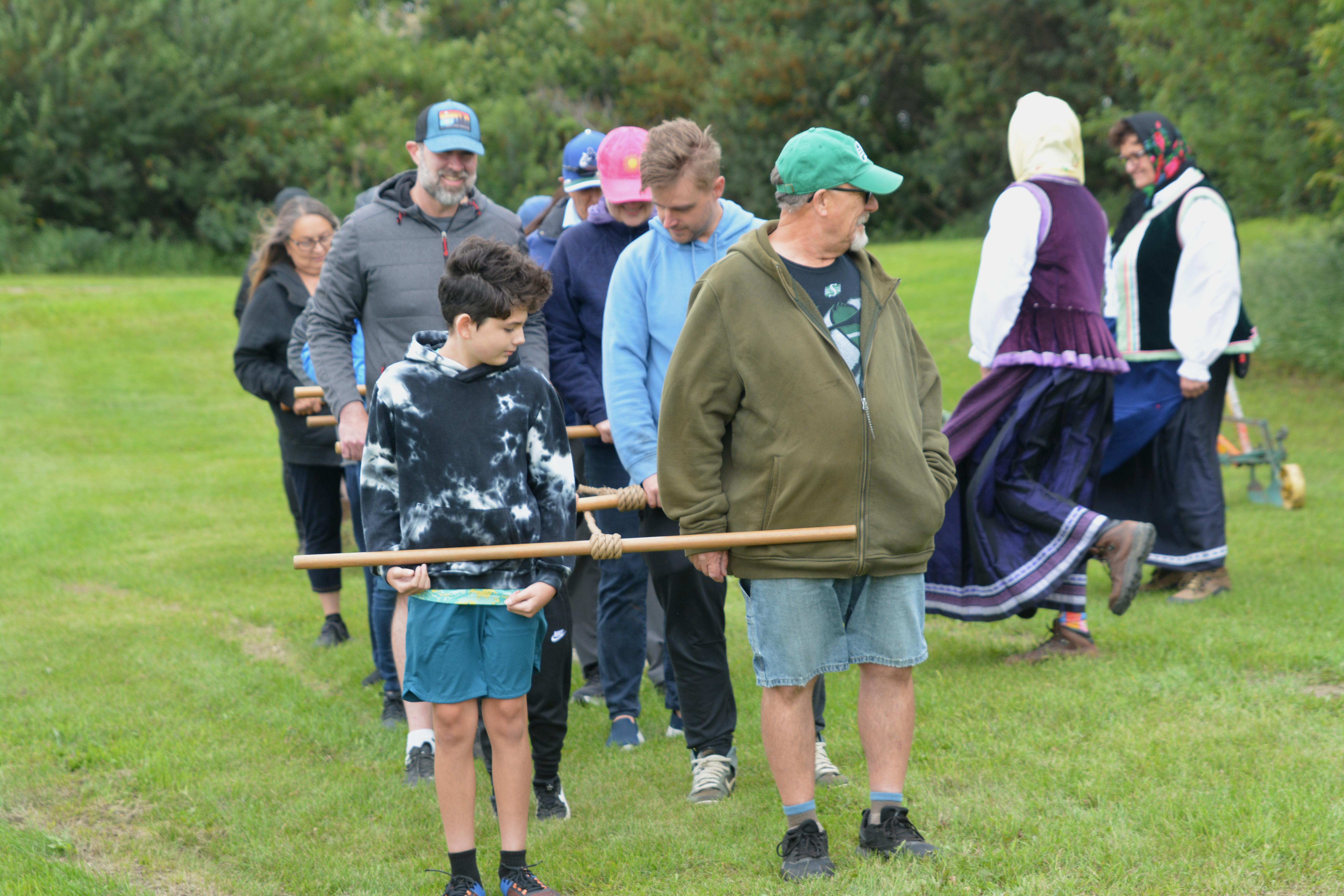
Visitors also took hold of the Doukhobor plow, pulling it themselves to relive the story of women who once did the same when the men were away working on the railroad.

The demonstration stood as a living reminder of resilience and equality — values that defined the community’s early years in Canada.

Visitors pull the Doukhobor plow together. (Kenneth Cheung/battlefordsNOW Staff)
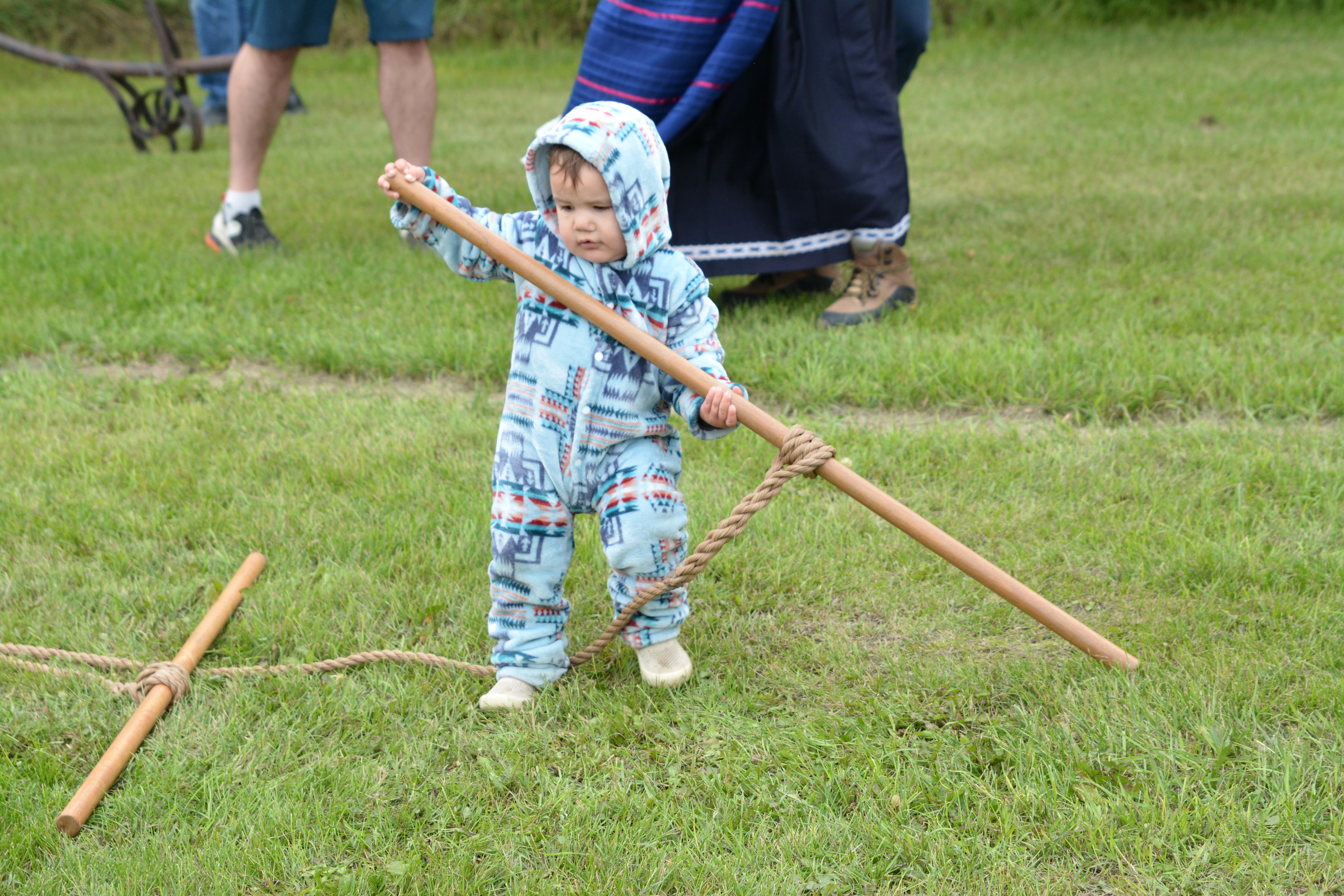
A little guy tries to help out. (Kenneth Cheung/battlefordsNOW Staff)

The dugout tour offered another glimpse into that hardship. Families of up to 40 people lived together in a 424-square-foot earthen shelter for five years after arriving in Saskatchewan.

That commitment to peace extended into everyday life. Early Doukhobors were strict vegetarians, refusing to eat meat because they did not believe in killing animals. Archaeological digs at the site later confirmed that livestock were kept for trade and survival, not for consumption.

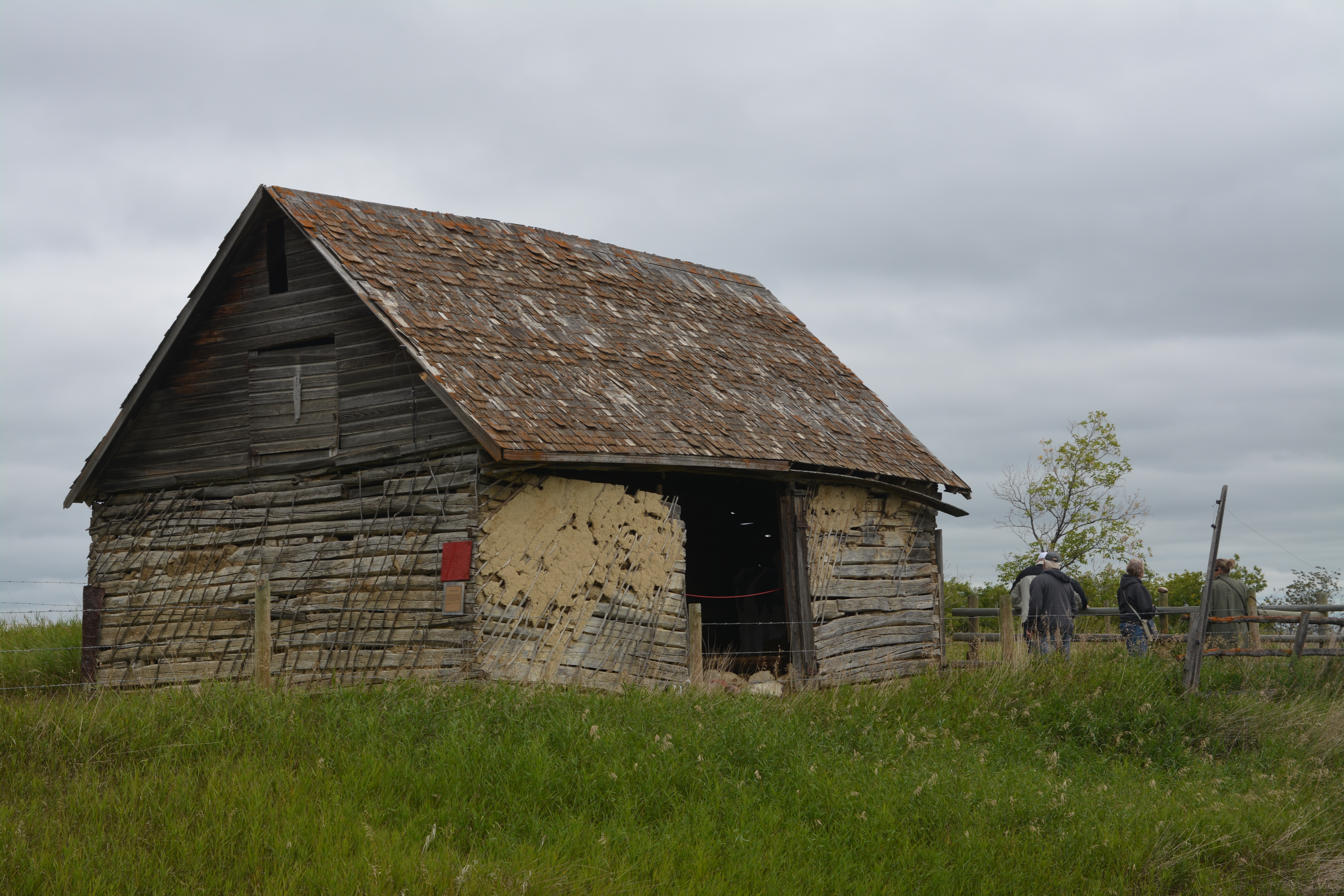
A barn house on the site. (Kenneth Cheung/battlefordsNOW Staff)

Those first years of settlement would not have been possible without the help of nearby First Nations. Local families shared food, blankets and clothing, and even gifted a horse to help with plowing.

To offer that aid, many risked leaving their reserves at night — a dangerous act that could have brought punishment.

Stringer said those bonds were rooted not just in survival, but in shared values. She shared the words of a 150-year-old Doukhobor prayer:

“We are all guests of the Divine living on this earth, and together we walk graciously on Mother Earth, giver of life, let us all sing a song of love and gratitude to the Creator of all things, who lives in our hearts, holds and cares for us and teaches us the wisdom of the universe.”

“When I say that prayer, well, that could very easily be a native prayer,” she said. “They respect the earth, and we respect the earth. There are all those commonalities that keep us connected.”

Visitors tie white ribbons to a Peace Tree. (Kenneth Cheung/battlefordsNOW staff)

Visitors reflect

For many who attended, the stories reached far beyond history lessons — they carried personal meaning.

Barbara Miller travelled all the way from Sarasota, Fla., and said she was struck by the words etched into the prayer house.

“The welfare of the world is not worth the life of one child,” she said. “That really resonated with me from the pacifism standpoint.”

Miller said the message felt especially powerful coming from a community whose pacifism cost them so dearly. Growing up in the United States, she added, the Doukhobors’ rejection of violence felt both rare and refreshing.

“Being from the States, and recognizing that that’s really difficult right now in the States,” she said.

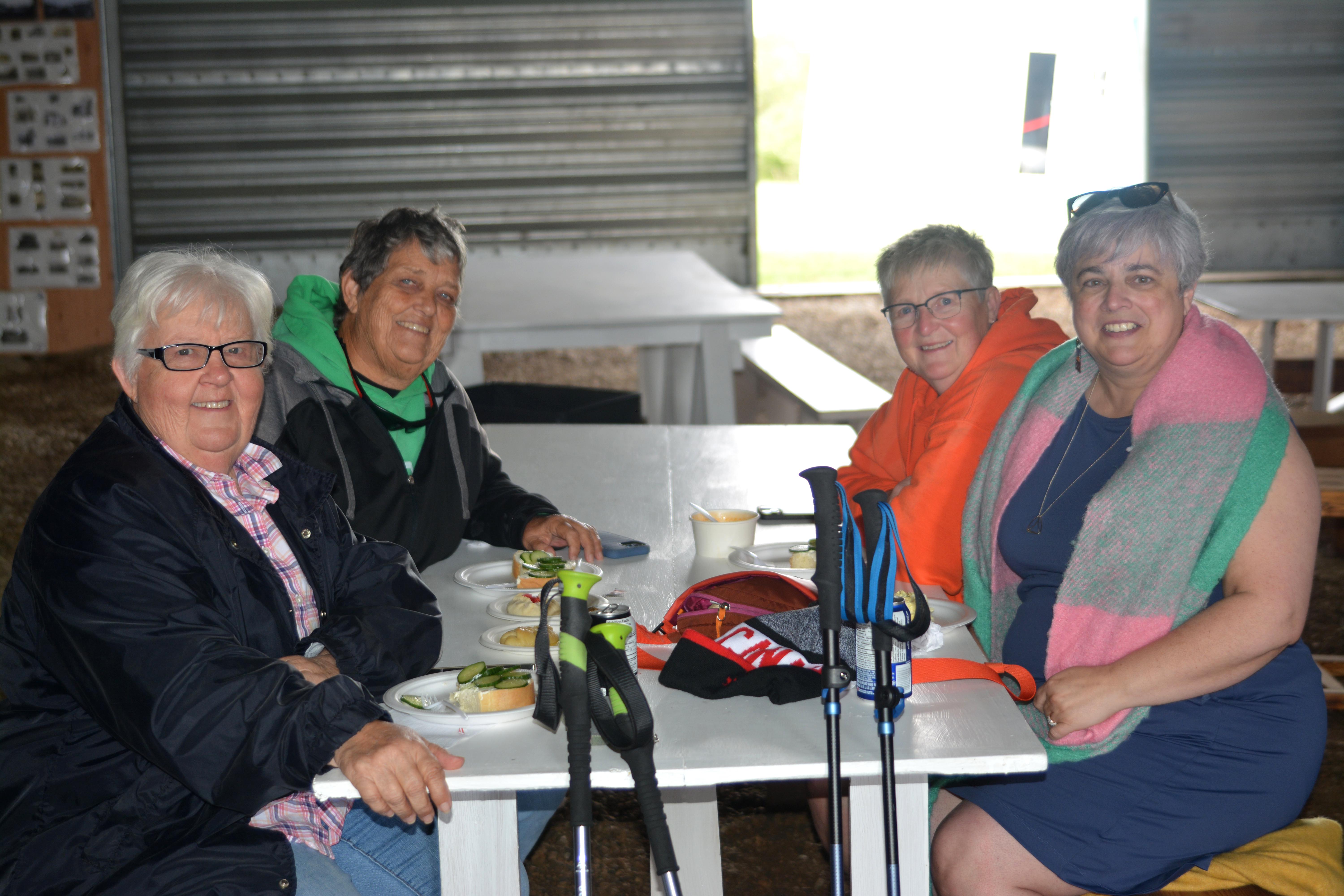
Barbara Miller, in green, and Brenda Zook, left, are pictured with their friends from Saskatchewan, right, during their visit from the United States. (Kenneth Cheung/battlefordsNOW Staff)

Her friend, Brenda Zook, who also came from Florida, said the plainness of the chapel spoke louder than any ornate decoration could.

“The simple things, like the linoleum, just stood out to me,” she said. “The burning of the guns — I was just like, yes, I wish everybody would do that.”

Both women said seeing the Doukhobors’ story preserved in Saskatchewan helped them connect their own Mennonite-influenced backgrounds with the shared values of peace and nonviolence.

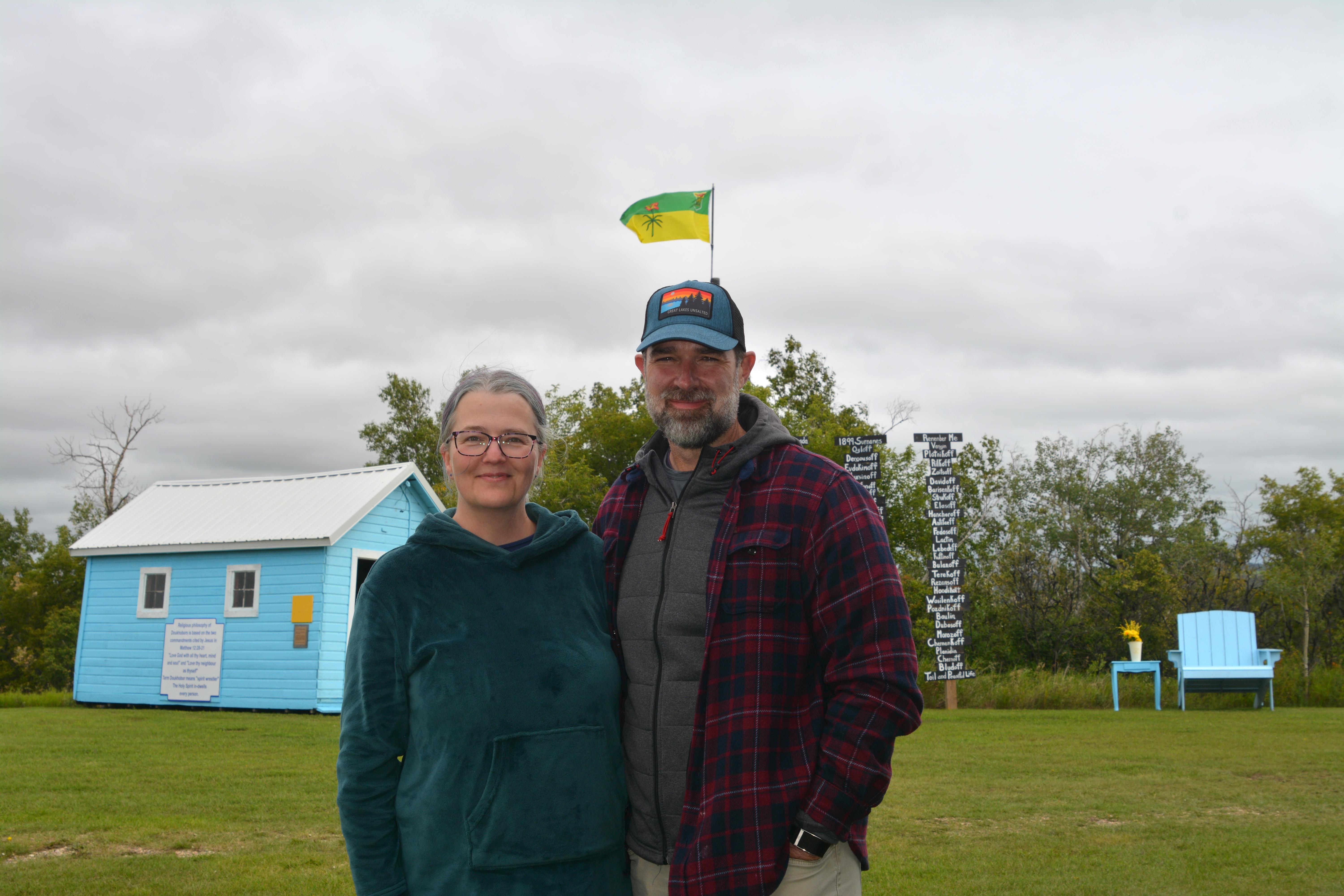
Cori, left, and Peter Smithen (Kenneth Cheung/battlefordsNOW Staff)

From closer to home, Cori and Peter Smithen of Saskatoon said they chose to stay overnight in new sleeping pods on site to deepen the experience. For Peter, it felt like stepping back into another time.

“It is a bit like time travelling,” he said. “You kind of get to see things over and over, so the repetition helps kind of cement it in your mind.”

Cori said the event felt urgent in today’s climate, with its reminder that peace begins in daily choices.

“There’s so much violence in people’s words and actions and the whole influence of the U.S. … it worries me and I wish more people had a more peaceful, like pacifist way of living and thinking and believing.”

Carrying peace forward

For Stringer, the message is simple but enduring.

“To begin peace in the world, you have to have peace in your heart. If there’s peace in your heart, you have to have peace in the home. If there’s peace in the home, there needs to be peace in the community. If there’s peace in the community, you need peace in the country. And then it spreads to the world.”

At the Doukhobor Dugout House, that teaching is kept alive through stories and remembrance — a history of suffering and resilience offered as an invitation to carry peace forward.

Kenneth.Cheung@pattisonmedia.com